Designing Your Store Layout for Sales Flow: Dos and Don’ts

Designing Your Store Layout for Sales Flow: Dos and Don’ts
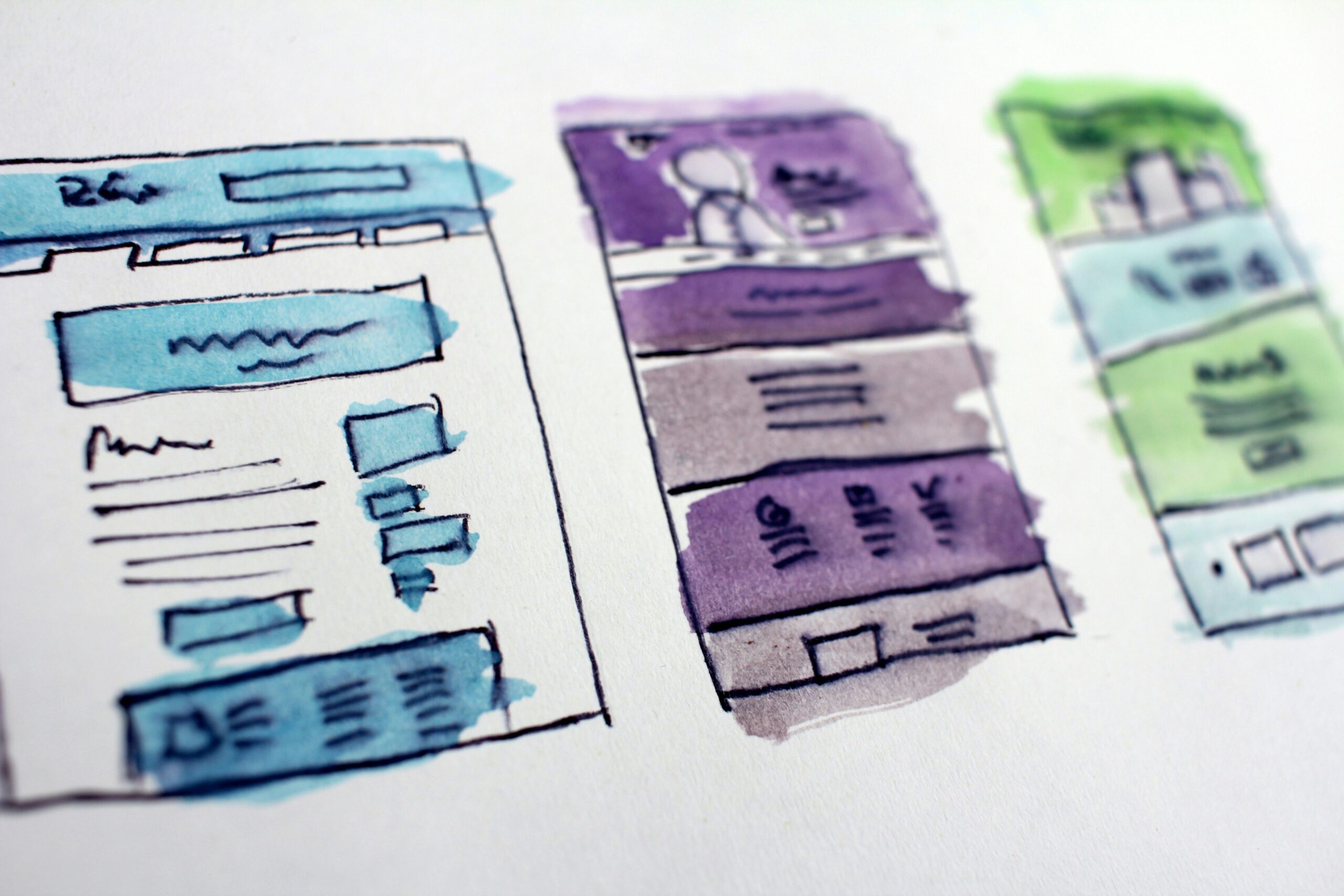
A store’s design does more than showcase products. It influences how customers navigate, engage, and ultimately decide to purchase. Whether you run a high-street shop or manage a digital storefront, layout plays a vital role in directing flow, reducing friction, and encouraging sales. Clever use of space and strategic placement of key items can increase customer satisfaction while boosting profits. The principles of effective design translate across physical and online settings, making layout a cornerstone of long-term commercial success.
The Importance of Clear Navigation
When customers enter a store, they want to find what they need quickly without unnecessary frustration. This same logic applies to digital environments. E-commerce platforms, booking portals, and betting exchange sites UK players can use all depend on intuitive layouts to reduce friction and keep users engaged. For betting exchanges in particular, a clear structure allows users to compare odds, place trades efficiently, and make informed decisions without distraction, which is an approach that directly enhances trust and repeat use.
Key elements of clear navigation include:
- Signage and wayfinding: In physical stores, signs and arrows should guide customers naturally.
- Logical categorisation: Online platforms must group products or services in intuitive ways.
- Consistency: Layouts should avoid sudden changes that break customer flow.
By applying these practices, businesses can reduce cognitive load and improve both satisfaction and sales.
Strategic Product Placement
Once customers feel oriented, the next challenge is to direct their attention to priority items. In retail, high-margin products are often positioned at eye level or near the checkout area. The same principle applies digitally: key promotions or bestsellers should appear in prominent positions on your homepage or landing pages.
A simple but effective technique is to design “hot zones,” where traffic naturally flows. For example, end-of-aisle displays capture attention in supermarkets, while banner placements perform the same function online. Avoid overloading these spaces, though, because too many offers can dilute impact and overwhelm visitors.
Dos of Effective Store Layout
Following tested principles makes it easier to create a layout that maximises sales potential.
Do consider:
- Customer journey mapping: Anticipate paths shoppers will take and position products accordingly.
- Lighting and ambiance: In physical stores, use lighting to guide eyes; on websites, highlight buttons with contrasting colours.
- Space for browsing: Allow open areas so customers don’t feel crowded.
- Clear call-to-action prompts: Whether signage in-store or clickable buttons online, make next steps obvious.
Each of these strategies contributes to a frictionless shopping experience that feels natural rather than forced.
Don’ts of Store Layout Design
Just as there are best practices, certain mistakes can quickly undermine success.
Avoid these pitfalls:
- Overcrowding: Too many displays or website pop-ups discourage exploration.
- Ignoring accessibility: Narrow aisles or poor font contrast on digital platforms make spaces unusable for some customers.
- Neglecting flow direction: Positioning obstacles or confusing menus disrupts momentum.
- Forgetting the checkout: A poorly designed checkout area or online payment page can cause abandoned purchases.
These missteps may appear small, but they can have measurable impacts on conversion and customer loyalty.
Blending Physical and Digital Design Lessons
Modern businesses often operate across both physical and online channels, which means lessons in one space can inform improvements in the other. For example, retailers who use scent and music to influence mood in stores can think of equivalent tools online, such as interactive visuals or gamified navigation. Conversely, the streamlined approach of digital platforms offers inspiration for simplifying physical store signage and flow.
A holistic mindset encourages businesses to view layout as a universal design problem, not just one tied to location.
The Role of Testing and Iteration
No layout is perfect from the outset. Smart retailers test changes in real conditions to see what improves performance. A clothing store may trial a new rack arrangement and track whether sales rise in response. Online, A/B testing allows companies to compare versions of a webpage to determine which generates more engagement.
Simple metrics worth tracking include:
- Average time spent in key areas of a store or website
- Drop-off rates at checkout
- Frequency of return visits
Iterative improvements, guided by real data, are often more impactful than sweeping redesigns.
Designing for Flow and Profitability
Designing your store layout is less about following a rigid formula and more about shaping experiences that feel natural and efficient. By ensuring clear navigation, prioritising high-value areas, and avoiding common mistakes, businesses can create spaces (physical or digital) that encourage customers to stay longer and spend more. Lessons from diverse fields highlight that good design always places the customer at the centre. Ultimately, when flow is prioritised, satisfaction and sales both rise.