Transforming office interiors: The future of workspace design awaits
Transforming office interiors: The future of workspace design awaits
In an increasingly dynamic work environment, the design of office interiors is undergoing significant change. As businesses adapt to new ways of working, the traditional office setup is evolving into a more flexible and engaging space. This article explores the latest trends and innovations shaping the future of workspace design.
The Rise of Flexible Workspaces
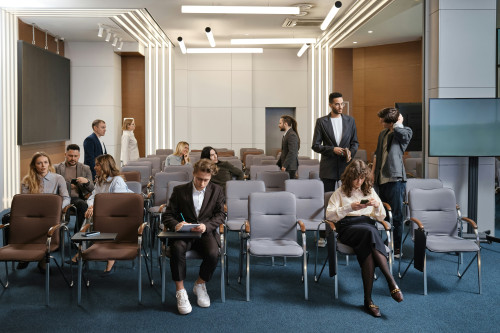
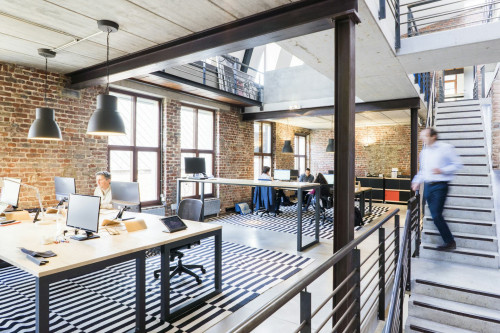
Flexibility is at the core of modern workspace design. Companies are shifting away from rigid office layouts, opting instead for spaces that can adapt to various work styles and activities. Open floor plans, collaborative zones, and quiet workspaces are becoming standard features in many offices.
This flexibility allows teams to organize their workspace according to their needs. Whether its a brainstorming session, a quiet meeting, or individual work, the office can be reconfigured to accommodate diverse tasks and preferences.
Biophilic Design: Nature in the Workplace
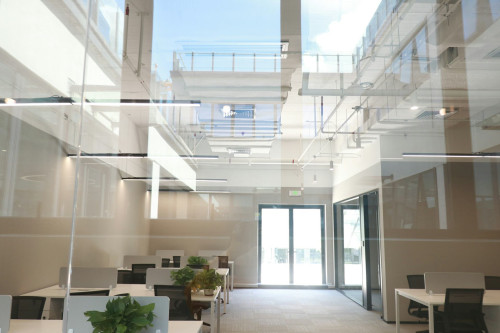
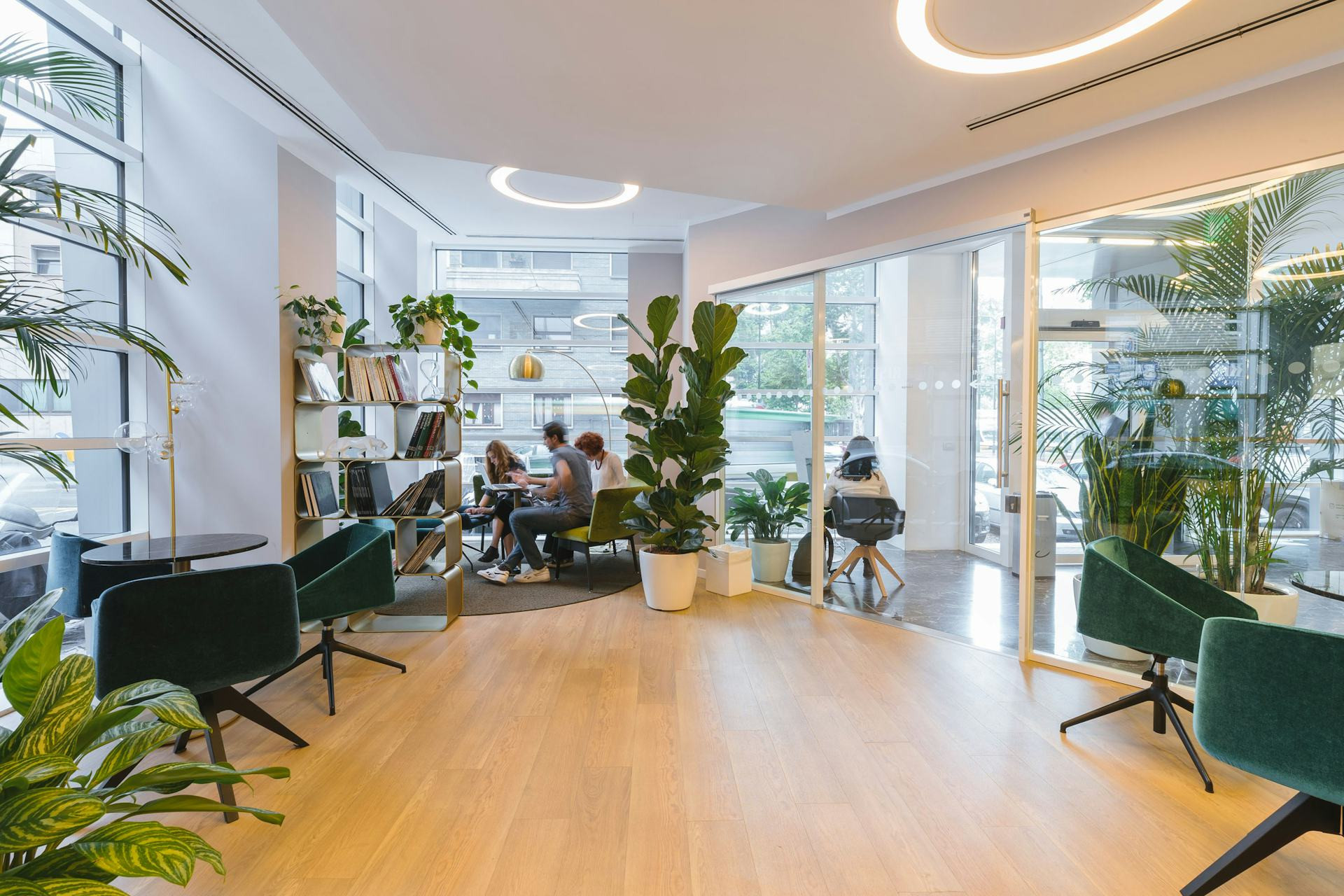
As the line between work and home continues to blur, biophilic design is gaining traction. This approach emphasizes incorporating nature into the workspace, promoting well-being and productivity. Elements such as indoor plants, natural light, and water features are being integrated into office interiors to create a calming environment.
Studies have shown that incorporating nature into office design can reduce stress and improve focus. The presence of greenery can enhance creativity and boost overall job satisfaction, making biophilic design an essential component of future offices.
Technology Integration for Enhanced Collaboration
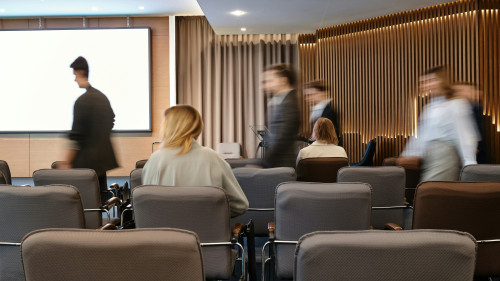
Technology plays a pivotal role in shaping the modern workspace. Innovations such as virtual reality, smart lighting, and collaborative tools are transforming how teams interact and work together. Smart offices are equipped with advanced technology that facilitates communication and collaboration, regardless of team members’ physical locations.
Interactive displays and online platforms allow for seamless communication between in-house and remote staff. These technological advancements are not only enhancing productivity but also enabling organizations to attract top talent by offering a flexible work environment.
Emphasis on Employee Well-Being
Today’s office designs prioritize employee well-being, recognizing it as crucial for productivity. Ergonomic furniture, wellness spaces, and access to fitness facilities are becoming standard in many workplaces. These features are designed to foster a healthier work environment and improve overall employee satisfaction.
Moreover, wellness rooms for meditation, relaxation, or even quick workouts are increasingly being integrated into design plans. This focus on holistic health acknowledges that happy, healthy employees are more engaged and effective in their roles.
Sustainable Design Practices
Sustainability is no longer an option; its a necessity. Eco-friendly materials and practices are becoming the norm in office design. From energy-efficient lighting to sustainable furnishings, companies are seeking to reduce their environmental impact.
Many organizations are opting for materials that are recyclable or sourced from renewable resources. Incorporating sustainability into office design not only benefits the planet but also enhances the brand’s reputation, making it a critical factor in attracting clients and top talent alike.
Personalization: A New Frontier in Workspace Design
Personalization in workspace design empowers employees to curate their own work environments. This can range from adjustable desks and personalized decor to different settings for diverse work activities. Allowing employees to influence their workspace can significantly boost morale and encourage creativity.
Employers who promote personalization recognize the importance of individual preferences in enhancing job satisfaction. Creating spaces where employees can add their personal touch fosters a more inclusive and engaging office culture.
Conclusion: Embracing the Future
The transformation of office interiors reflects broader shifts in how we work and interact. As companies embrace flexibility, technology, wellness, sustainability, and personalization, the future of workspace design looks promising. Each trend offers unique opportunities to enhance employee experience and drive productivity, paving the way for more innovative and adaptive work environments.