UK Small Businesses Rethinking Office Space as Remote Costs Rise

UK Small Businesses Rethinking Office Space as Remote Costs Rise
The days of signing a five-year commercial lease without a second thought are fading fast. Rising energy bills, staffing costs, and persistent inflation have forced UK small businesses to look critically at every line of their overhead. For many, the office itself has become the most obvious target.
This isn't just cautious belt-tightening. It reflects a genuine structural shift in how small firms think about physical space, and whether they need it at all.
Why Fixed Leases Are Losing Appeal
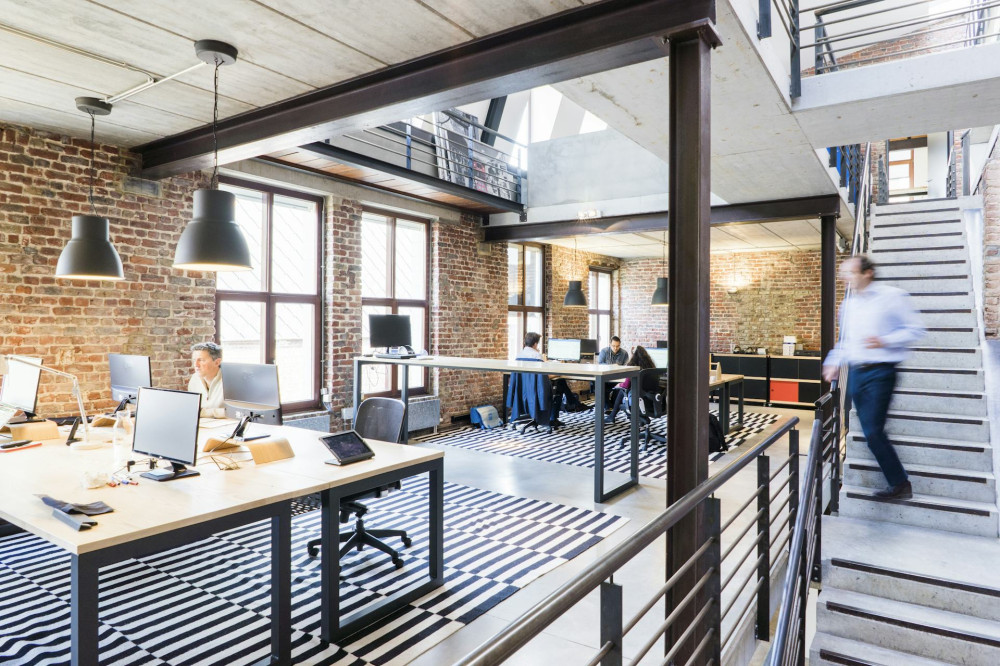
Commercial rent in the UK varies enormously, but the top end is eye-watering. London has the highest average retail rent at £49.64 per square foot per year, significantly above most other UK cities. For a small team needing even modest space in the capital, that figure compounds quickly into a serious annual commitment.
Energy costs add another layer of pressure. The average electricity bill for a UK small business consuming between 5,000 and 15,000kWh sits at roughly £2,779 per year, around triple what micro businesses pay. When you stack that against rent, business rates, and maintenance, fixed premises start to look like a liability rather than an asset.
Coworking and Virtual Offices Filling the Gap
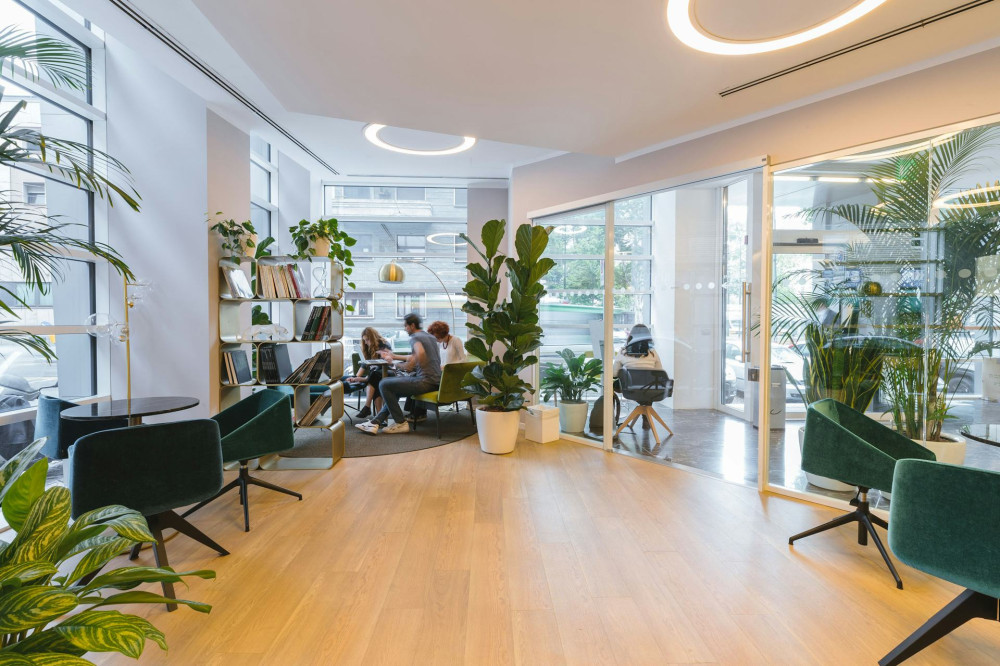
Flexible workspace has matured considerably over the past few years. Coworking spaces now offer month-to-month memberships, dedicated desks, and meeting room access without the long-term exposure of a traditional lease. Virtual office packages, on the other hand, give businesses a professional address and call-handling services for a fraction of the cost of physical premises.
For many sole traders and small teams, this combination covers almost everything a traditional office provides. The real appeal isn't just cost, it's agility. Businesses can scale up or down quickly without being locked into arrangements that no longer fit.
How Digital Industries Sidestep Premises Costs
Some sectors have quietly leapfrogged the premises question entirely. Digital-first industries, software, media, and online gaming, often operate with minimal physical footprint by design. Online casino platforms, for instance, rely on cloud infrastructure, remote support teams, and digital customer acquisition rather than bricks-and-mortar operations.
The contrast with physical casinos is stark. A land-based venue has to secure a prime location, maintain gaming floors, employ large on-site teams, and meet extensive local licensing and compliance requirements. Those fixed costs don’t disappear when foot traffic slows. Online operators, by comparison, can scale up or down far more easily because their infrastructure isn’t tied to a single location.
Platforms vetted by Gambling Insider experts, for example, show how online casinos can maintain credibility and regulatory compliance without high-street presence or expensive office suites.
This model isn't directly transferable to every small business, but it does highlight a broader principle. The less a business ties its identity and operations to a specific physical location, the more flexibility it retains when market conditions shift.
What Small Businesses Should Prioritise Now
The pressure isn't easing anytime soon. Over 77% of UK businesses with ten or more employees reported increased staffing costs in the three months to late May 2025, up 41 points from February. When wage costs rise significantly alongside fixed overheads, something has to give, and for many, premises are the most negotiable element.
Small business owners reviewing their space should look hard at actual utilisation rates. If the office sits half-empty on Mondays and Fridays, that square footage is essentially wasted expenditure.
Hybrid arrangements, serviced offices, or even sharing space with complementary businesses can all reduce costs without sacrificing the professional environment many teams still value. The goal is getting the workspace to work harder, not simply cutting it out altogether.