Adapting to the Digital Workplace: Tools, Trends, and Tips for 2025
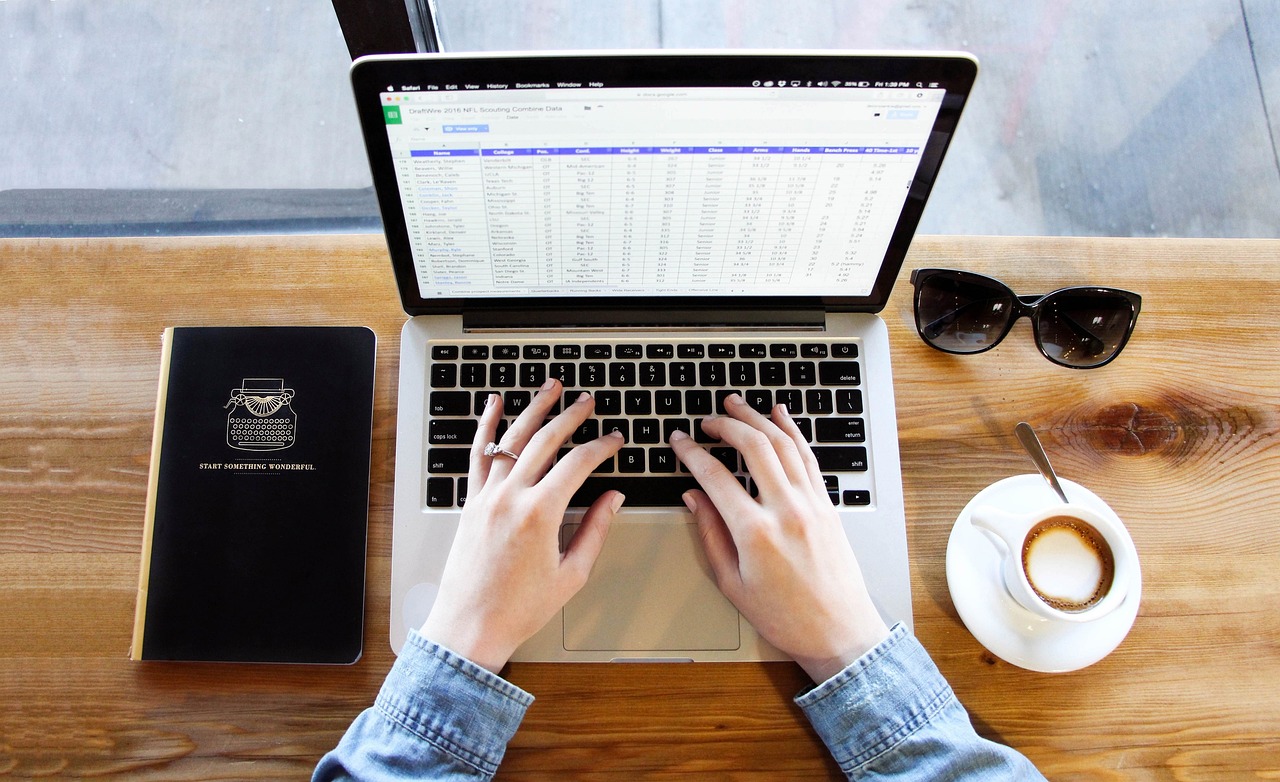

Adapting to the Digital Workplace: Tools, Trends, and Tips for 2025
Workplaces in the UK are using more digital tools than ever before. By 2025, many businesses will have combined office and remote work, which means using technology to stay connected and productive is important. Alongside this, keeping employees safe online and helping them relax during breaks also matters.
Communication Tools for Better Collaboration
Clear communication and technology are crucial for remote teams who rarely meet face-to-face. Most UK companies have settled on Microsoft Teams and Slack as their go-to hubs. These platforms keep evolving, offering everything from quick chats to video calls and document sharing with just a few clicks. When paired with task boards such as Asana or Monday.com, every person at home or on the move can track progress and know what's next, bridging the distance effortlessly.
Keeping Data Safe and Supporting Safe Online Leisure
Working from different places also means businesses have to think carefully about security. Many UK companies use extra checks like multi-factor authentication to stop unauthorised access. They also rely on software that spots threats quickly. Training staff to spot scams and protect data is just as important as the tools themselves. Cloud services help keep files safe even when people work outside the office.
At the same time, it’s important to support employees in taking breaks and relaxing in different ways. This could mean quick online gaming sessions. For example, online casinos operate 24/7, offering everything from slots to crash gambling titles, and payment options like Bitcoin or PayPal. So, you could be playing in the UK against another player based in Sweden, both competing for the multiplier in Aviator, for instance. Or you could opt for solo slot sessions or a quick puzzle game, online chess, or maybe even a word search. The goal is to ensure a mental break by balancing playtime with work time.
Taking Care of Wellbeing
Work rarely feels like a straight line of ticking off tasks or powering through endless meetings. Its mental toll can matter just as much as the visible output, especially now, when screens make it easy for home and office to coordinate. Because of that, more employers are stepping up, widening their support beyond the usual health plan and gym discount.
A growing number of firms now encourage and provide mindfulness apps such as Headspace, Calm, or Balance in their benefits mix. These apps offer guided meditations, quick breathing drills, focus playlists, and even bedtime stories. Just ten quiet minutes between calls can give people a pocket of calm, helping them reset before diving back into the next task
New Technologies and Flexible Working
Technology, therefore, continues to assist individuals in managing their workdays more efficiently. Tasks such as drafting reports, booking meetings, and sorting emails are now becoming automated through Artificial Intelligence. With these processes automated, more time is freed up for the employee to focus on tasks that truly require their effort.
In addition to AI, Virtual and Augmented Reality technologies are also becoming more useful for team meetings and training sessions. These tools enhance remote collaboration by making it more immersive and helping participants feel as though they are together in one physical space. These technologies are beneficial for companies with global teams working across different time zones.
In the UK, hybrid working, previously preferred by the majority of businesses, is now the standard practice. Offices are adapting to support the new flexible model. Employees have the ability to reserve desks ahead of time using smart systems or check to see which rooms are unoccupied. Facilities teams can now plan better room layouts and reduce wasted space as sensors that monitor space usage are incorporated.
Tips to Make the Most of Digital Work
It is paramount that employees receive training on how to use new tools and understand how to stay safe online. Encourage your employees to take breaks and use well-being apps to reduce their stress. Promote open communication so teams stay connected, even if they’re working apart. Keep security strong by updating software and reminding staff about best practices. Finally, support responsible digital leisure activities to help employees relax safely.
Conclusion
In sum, UK businesses in 2025 are working differently from before. Using better communication tools, protecting data carefully, and helping employees relax in safe ways all help create a healthier and more effective workplace. Supporting online activities such as gaming also highlights the importance of balancing work with entertainment downtime. With these approaches, businesses can create a workplace where people feel supported, balanced, and ready to take on their tasks.