Community at the Lunch Table: How Shared Meals Strengthen Team Building in the Workplace

Community at the Lunch Table: How Shared Meals Strengthen Team Building in the Workplace
Lunch is often the calm in the middle of a busy day – a moment to step away from screens and deadlines, and to connect with colleagues. But a shared meal is more than just a break. It’s a social space where relationships grow, collaboration deepens, and workplace culture takes shape. In an era of hybrid work and flexible hours, the simple act of eating together has become a powerful way to build community.
Lunch as a Social Anchor
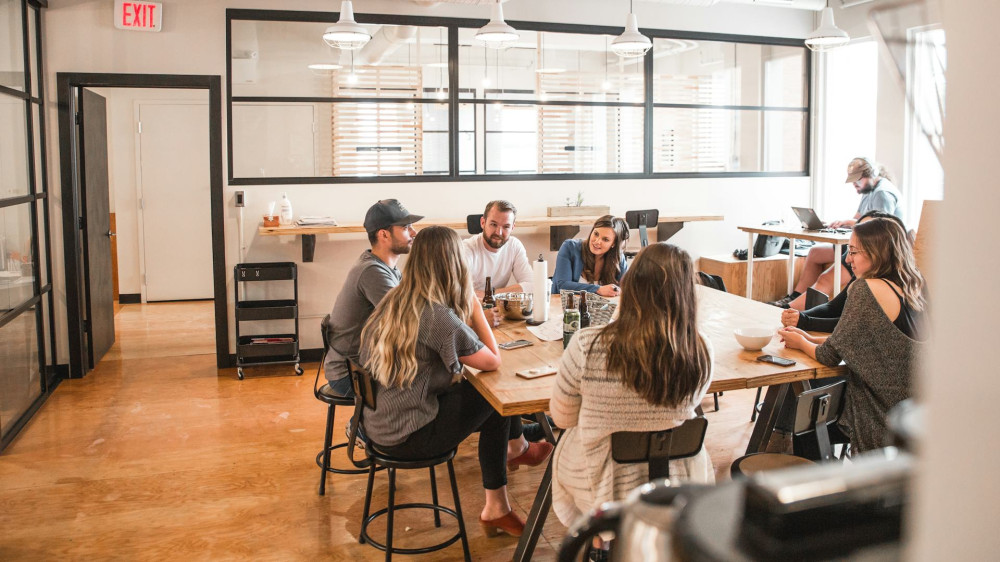
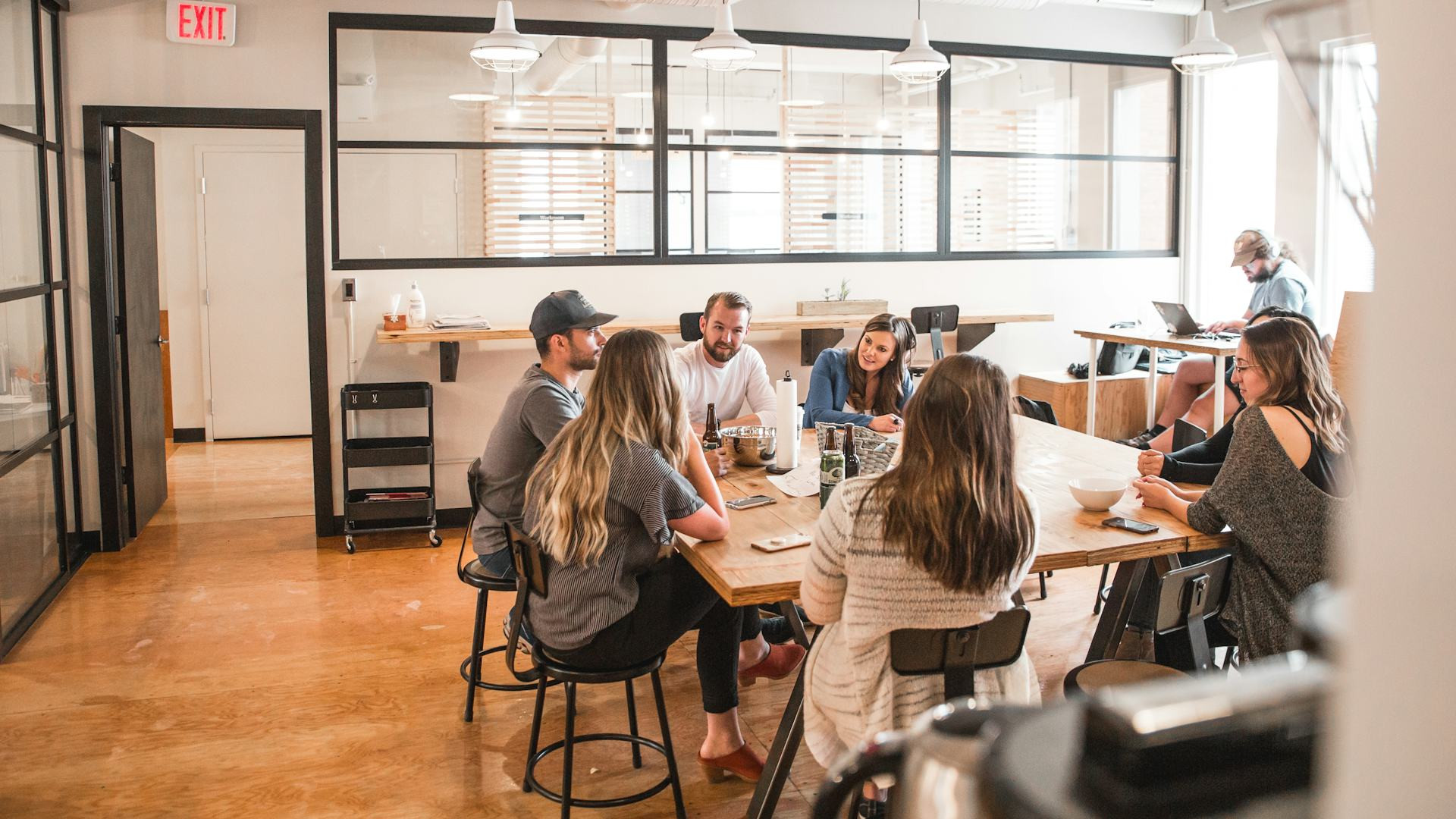
Something special happens when colleagues share a meal. Hierarchies fade, conversations flow more naturally, and people get to know each other beyond job titles. This sense of connection builds trust and empathy – qualities that later translate into smoother teamwork and better communication.
Research into workplace wellbeing shows that shared meals can boost morale and a sense of belonging. It’s not just about the food, but about the ritual: sitting together, sharing stories, and taking a collective pause. A strong lunch culture can be as vital to team spirit as any formal team-building exercise.
From Canteen to Culture
How a workplace handles lunch says a lot about its culture. In some offices, people eat quickly at their desks; in others, lunch is a shared event where everyone gathers. The latter often leads to stronger bonds and a more positive atmosphere.
A well-run canteen or communal kitchen can become the heart of the workplace. When the food is good, the space inviting, and the time respected, lunch becomes a highlight of the day. But it also requires leadership to set the tone – to show that taking time to eat together is part of the job, not a distraction from it.
Small Steps, Big Impact
Building a sense of community around lunch doesn’t require grand gestures. Simple initiatives can make a real difference:
- Themed lunch days – such as “Curry Thursday” or “Meat-free Monday”, which spark conversation and shared experiences.
- Mix-and-mingle seating – encouraging people from different teams to sit together.
- Lunch clubs – where staff take turns organising a shared meal or bringing in homemade treats.
- Conversation cards – light-hearted prompts on tables to get people talking beyond work topics.
The key is to keep it natural and inclusive. Lunch should feel like a genuine break, not an obligation.
Læs også:
Shared Meals in a Hybrid World
With more people working remotely, maintaining social connection can be a challenge. Virtual lunches or “bring-your-own” online meetups can help bridge the gap. It might feel awkward at first, but many teams find that sharing a meal – even through a screen – helps maintain a sense of togetherness.
Some UK companies have even sent meal kits or vouchers to remote employees for special occasions, allowing everyone to enjoy the same dish during an online event. It’s a small gesture that reinforces unity, even at a distance.
Food as a Reflection of Company Values
The way a workplace approaches food often mirrors its values. A company that invests in healthy, sustainable, and communal meals sends a message of care – for its people and for the planet. It can boost pride in the organisation and make it more attractive to new talent.
When employees feel appreciated – even through something as simple as a good lunch – engagement and motivation rise. The meal becomes more than nourishment; it becomes a symbol of belonging.
A Meal That Brings Us Together
The community built around the lunch table is one of the most underrated forms of team building. It doesn’t require workshops or exercises – just time, presence, and a table to gather around. In the rush of the working day, these shared moments can shape the culture that helps people thrive and collaborate more effectively.
So next time you sit down for lunch, remember: it’s not just a break. It’s an investment in your team.
Læs også: