Flexible Workplaces: Are ‘Office Hotels’ the Future for Small Businesses?

Flexible Workplaces: Are ‘Office Hotels’ the Future for Small Businesses?
Remote work has become the way of life in the last decade, with many companies realising the true benefit of this shift. Flexible models are the new standard to ensure employees are performing at their absolute best. As such, for many job seekers, working from home has become a non-negotiable for financial and productivity-related reasons. Office hotels have, as a result, become quite popular, wherein individuals will book temporary, dedicated workspaces similar to how they would book a hotel. For SMEs (Small and Medium Enterprises), this might pose a cost-effective solution that will help them thrive in the modern economy while still saving money.
The Agility Advantage: Flexible Payments and Operational Costs
Many SMEs need to be mindful of operational costs that could overshadow the revenue their companies are bringing in. This is why flexible offices are just one way to lower those potential bills. Another way of doing so is through payment versatility, especially when it comes to funding flexible office models for employees. With a traditional lease, this means committing to long-term capital expenditure and keeping up with utilities. Office hotels offer a pay-as-you-go expenditure model, which can further free up vital SME capital.
Of course, this model speaks to the broader shift towards transactional agility that can be seen across all sectors. SaaS (Subscription Software) companies are opting for monthly scalable payments as opposed to hefty upfront licenses. This, in the long run, makes it easier to balance the books and reallocate funds to other important resources. In the iGaming scene, the industry has begun facilitating high-volume, rapid transactions to ensure flexibility and lower costs. These methods are safe, speedy, and reliable as they are backed by trusted providers, including credit card issuers like Visa and Mastercard. Even cloud computing companies have begun making IT infrastructure payments based purely on consumption as opposed to a fixed number.
Beyond the Balance Sheet: The Talent and Culture Equation
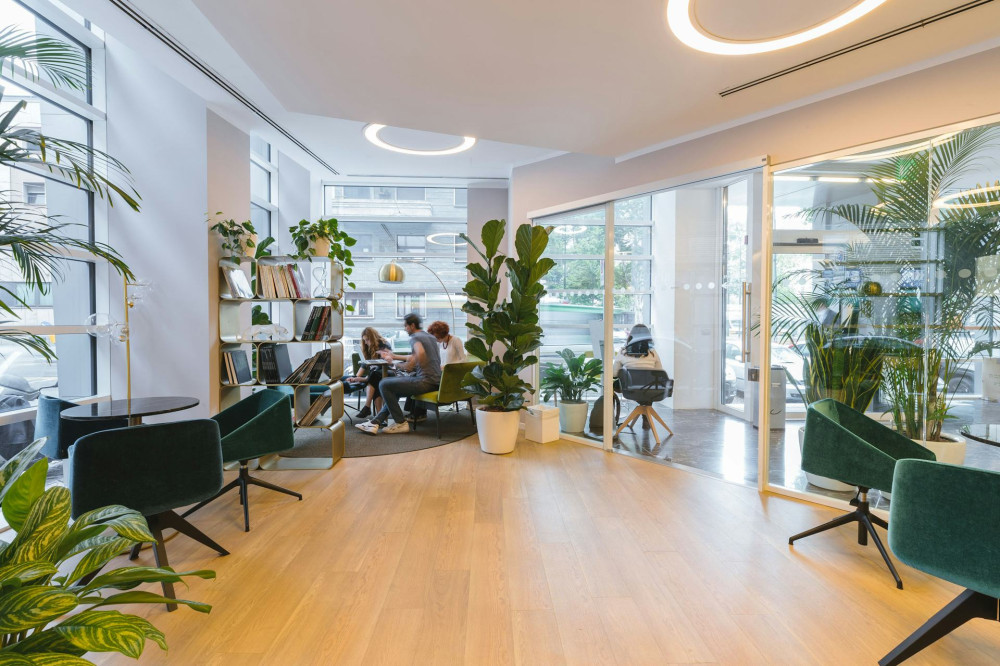
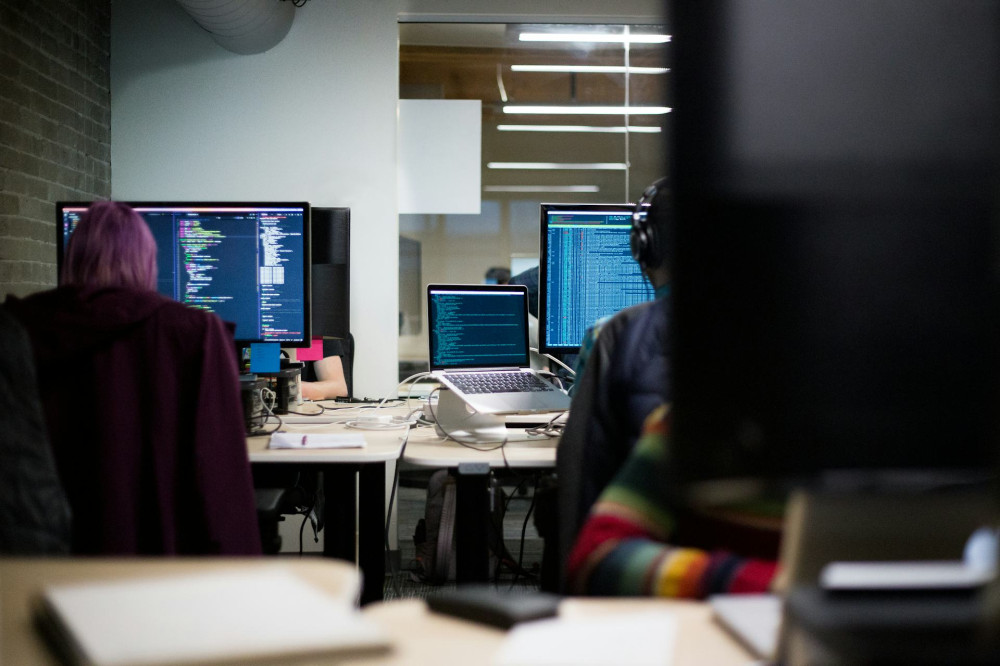
Outside of the financial benefits that office hotels could bring to SMEs, it is also a great model to drive a conducive, modern work culture and bring in top talent. In the UK, many employees are demanding flexibility and amenities as part of their employment packages. Office hotels have been a game-changer in this regard, allowing SMEs to offer exactly this without needing to break the bank. Most of these hotels offer premium facilities such as coffee bars, good internet connections, and some even have gyms for maximum convenience.
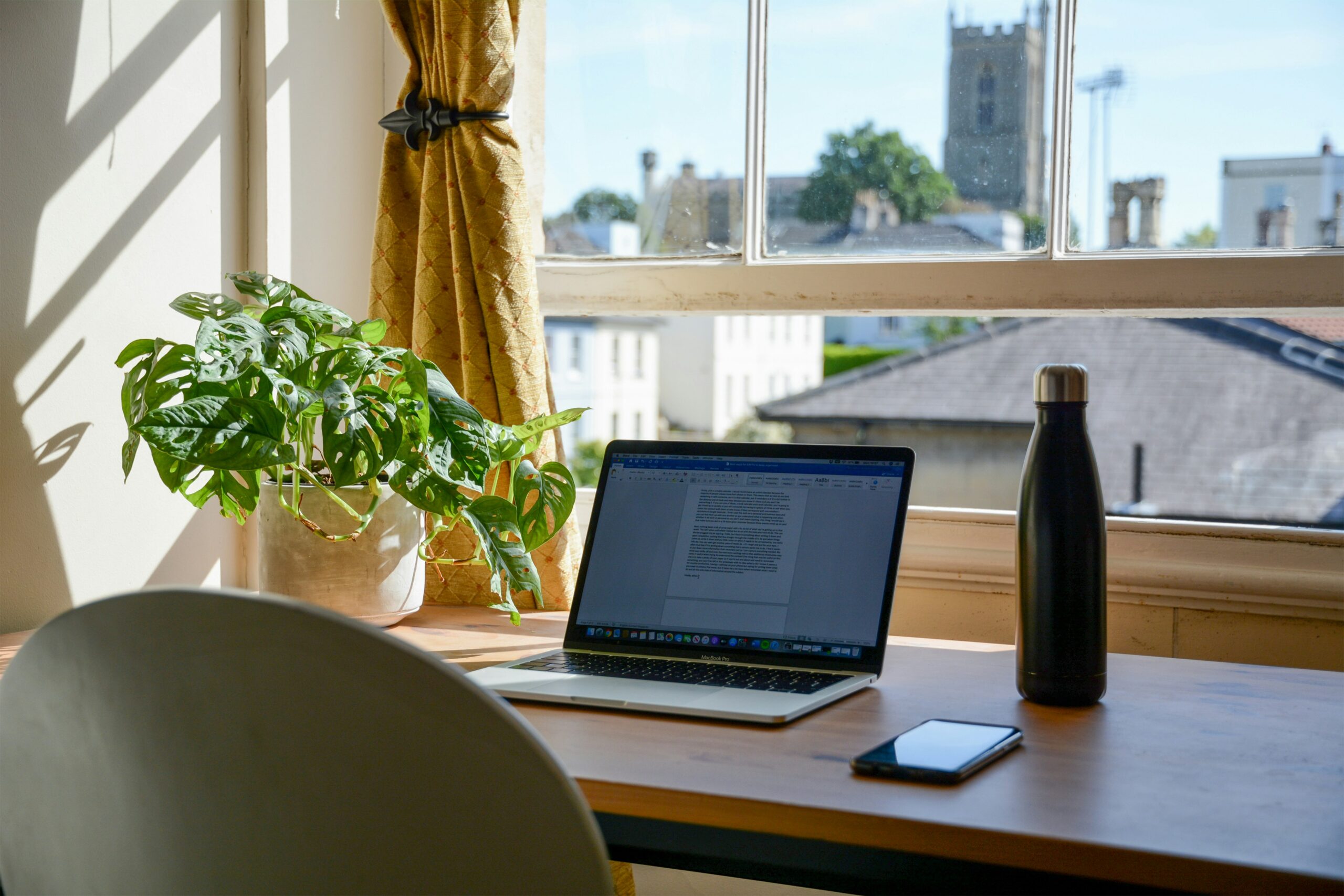
The companies that provide this option set themselves apart from others in the war for talent. Modern, top-performing employees will go for the more attractive option regarding their working arrangements. Beyond this, such spaces make it possible for hybrid models to take shape and grow, wherein staff will spend most of the week at home, but have a space to meet up to have important meetings and collaborate. Studies conducted across UK workplaces have seen employees agreeing that they perform better in a remote setting. This speaks to the larger benefit of remote and hybrid models in terms of how well the company performs.
The "Office Hotel" Checklist: What to Look For
For SMEs considering switching to this model, it is important to ensure such a decision will align with the current nature of operations. Starting by focusing on scalability is vital, and this is dependent on whether a company can remain functional even if offices are removed at minimal notice. If the answer is no, then this model is already out of the question. If the answer is yet, then move on to the marker on the list: technology and security.
Remember, there will no longer be an in-house IT department to rely on. Broadband and cybersecurity measures need to be robust, especially for SMEs working with sensitive client information. For an international SME, the office hotel provider cannot just function in a single location. It needs to have multiple city-centre and regional locations as this is the only way to support a decentralised workforce and attract a wide talent pool. Finally, reading the fine print is always smart. Make sure there are no hidden fees or restrictions so that the work environment truly becomes flexible.
The Remaining Barriers and Challenges
As with any new business model, there are going to be some downsides and potential risks in switching to a hybrid or remote work environment. For one, as comfy as office hotels are, the spaces are very generic and can take away from the branding and culture found in traditional workspaces. Additionally, the initial swap might prove cost-efficient, but if the spaces are used as regularly as traditional leases, it could result in higher overhead fees. Privacy and security might also be compromised, especially if competitor companies use the same space. Long-term, it could also affect the sense of stability for some workers.
The New Normal for the UK SME
In conclusion, office hotels certainly align with modern work expectations and can lead to financial gain alongside workforce satisfaction. The pros really do outweigh the cons with this model, showcasing how office hotels are more than just a passing trend. Instead, it presents a cost-effective, conducive solution to UK SMEs.