Give Participants a Voice – Involve Them in Planning Future Events


Give Participants a Voice – Involve Them in Planning Future Events
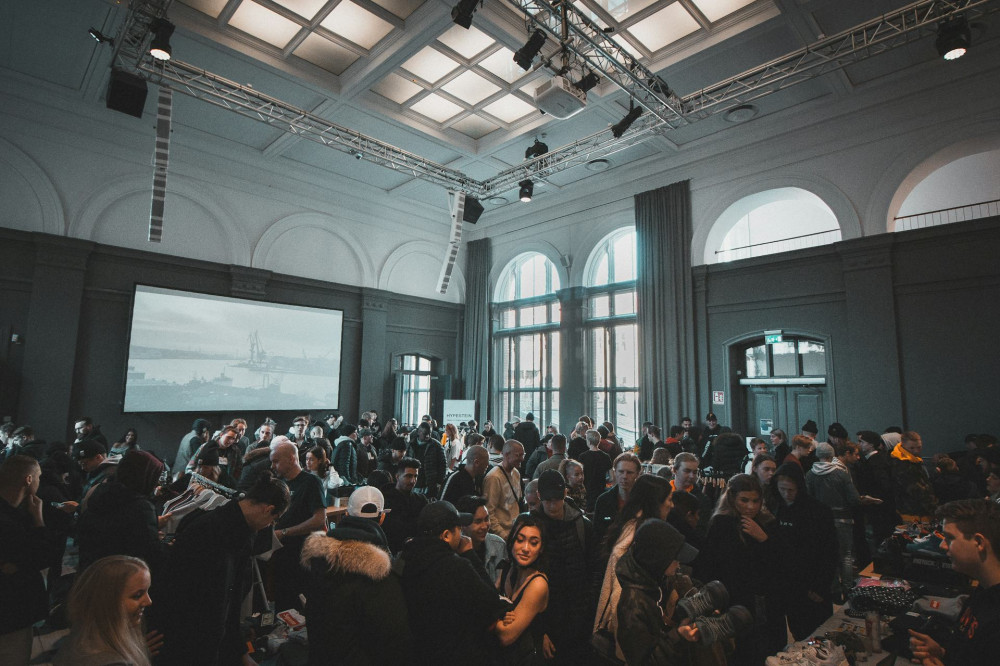
When organising events – whether it’s a conference, festival, community fair or corporate gathering – it’s easy to focus on logistics, budgets and schedules. But one of the most valuable resources is often overlooked: the participants themselves. The people who attend your event hold unique insights into what works, what doesn’t, and what could make the experience even better. By involving them in the planning process, you can create events that feel more relevant, engaging and meaningful.
Why Participant Involvement Matters
When participants are invited to share their ideas, expectations and feedback, they feel heard and appreciated. This sense of ownership increases their connection to the event and makes them more likely to return in the future. At the same time, organisers gain a clearer understanding of what their audience actually wants – rather than relying on assumptions.
Involvement isn’t just about asking what people want; it’s about creating a dialogue. That exchange can lead to fresh perspectives, creative solutions and a stronger sense of community around the event.
How to Involve Participants – Before, During and After the Event
There are many ways to give participants a voice. The key is to choose methods that suit the nature of your event and the people you want to reach.
Before the Event: Gathering Ideas and Expectations
Involve potential participants early in the planning process. This can be done through:
- Online surveys – short, focused questionnaires about themes, speakers or activities.
- Social media polls – quick and interactive ways to collect opinions and spark conversation.
- Focus groups – small discussions with representatives of your target audience to gain deeper insights into their needs.
By inviting input early, you show that participants’ opinions matter – and you gain valuable information to shape your programme.
During the Event: Creating Space for Interaction and Dialogue
Even during the event itself, participants can play an active role. Consider:
- Interactive sessions – workshops, panel discussions or Q&A formats where the audience can ask questions and share ideas.
- Digital tools – apps or live polls that allow participants to vote on topics or give real-time feedback.
- Feedback corners – physical spaces where attendees can jot down suggestions or reflections.
When people see that their input is taken seriously, engagement rises and the atmosphere becomes more dynamic and inclusive.
After the Event: Evaluation and Follow-Up
Involvement shouldn’t end when the event does. A thoughtful evaluation process helps you learn and maintain relationships with participants.
- Send a short feedback survey soon after the event, while impressions are still fresh.
- Share the results openly – for example, in a newsletter or on social media – and explain how you plan to use the feedback.
- Invite participants to contribute to future planning, such as suggesting themes or activities for next year.
This turns participants into long-term collaborators and helps your event evolve year after year.
Læs også:


Build a Culture Where Feedback Leads to Action
Collecting feedback is only the first step – acting on it is what truly matters. If participants feel their ideas disappear into a void, they’ll quickly lose interest in contributing. To build trust and enthusiasm:
- Communicate clearly which suggestions are being implemented.
- Acknowledge contributions, perhaps by highlighting participants whose ideas inspired new initiatives.
- Show results, so people can see that their voices have made a difference.
When participants see their input turned into action, it strengthens their connection to your event and encourages continued engagement.
From Audience to Co-Creators
Involving participants ultimately means shifting the focus from entertaining to engaging. When people feel like co-creators rather than passive attendees, the event becomes something they are part of – not just something they attend. That sense of shared ownership fosters stronger relationships, more authentic experiences and a community that lasts well beyond the event itself.
So next time you plan an event, don’t just ask, “What can we offer our participants?” – ask, “How can we give them a voice?”
Læs også: