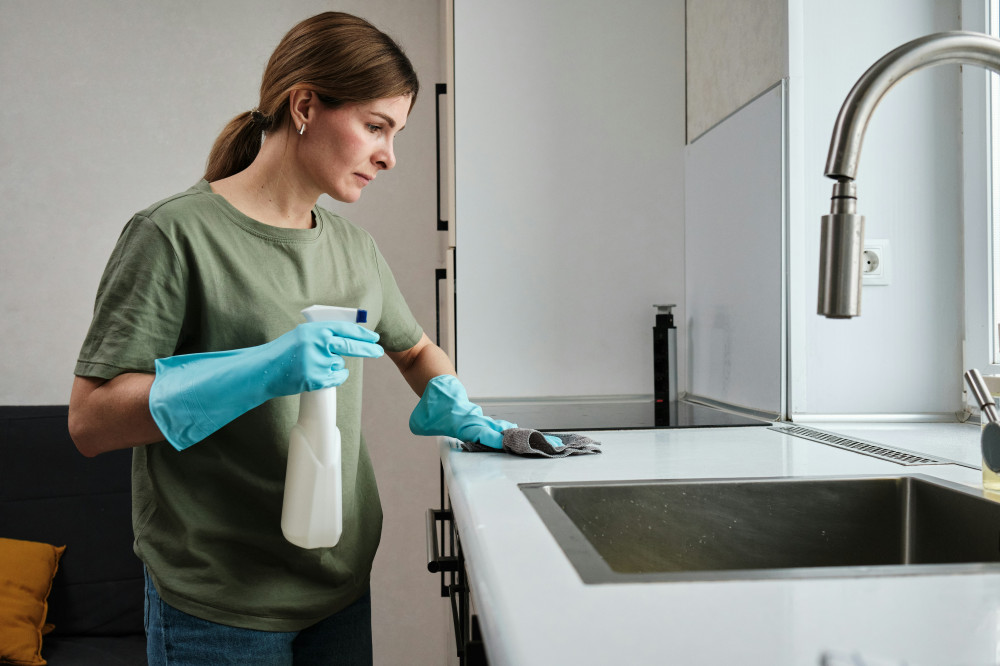
Plan your cleaning smartly – and reduce your energy and water consumption

Plan your cleaning smartly – and reduce your energy and water consumption
Cleaning is essential in every home and workplace, but it doesn’t have to be wasteful or expensive. With a bit of planning, you can cut down on energy use, water waste and cleaning products – without compromising on hygiene. Here’s how to make your cleaning routine smarter, greener and more efficient.
Know your needs – and plan accordingly
The first step towards more sustainable cleaning is understanding what actually needs to be cleaned, and how often. Not every area requires the same level of attention. By mapping out where and when cleaning is truly needed, you can avoid unnecessary work and resource use.
- Create a cleaning schedule with set intervals for different areas – daily, weekly or monthly.
- Prioritise by use – high-traffic areas such as kitchens, bathrooms and entrances need more frequent cleaning than spare rooms or meeting spaces.
- Use data and observation – in larger buildings, occupancy sensors or cleaning logs can help tailor cleaning to actual use.
A planned approach makes it easier to distribute tasks, save time and ensure that resources are used where they have the greatest impact.
Læs også:
Choose equipment that saves energy and water
Modern cleaning tools are designed to be both effective and environmentally friendly. Choosing the right equipment can significantly reduce your consumption.
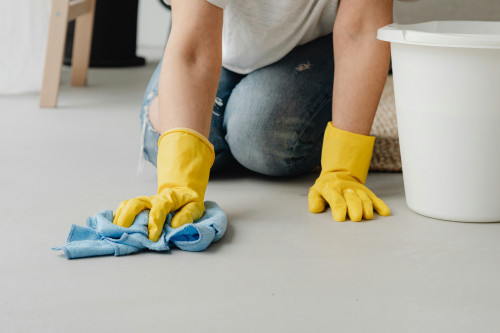
- Microfibre cloths and mops need less water and detergent than traditional alternatives.
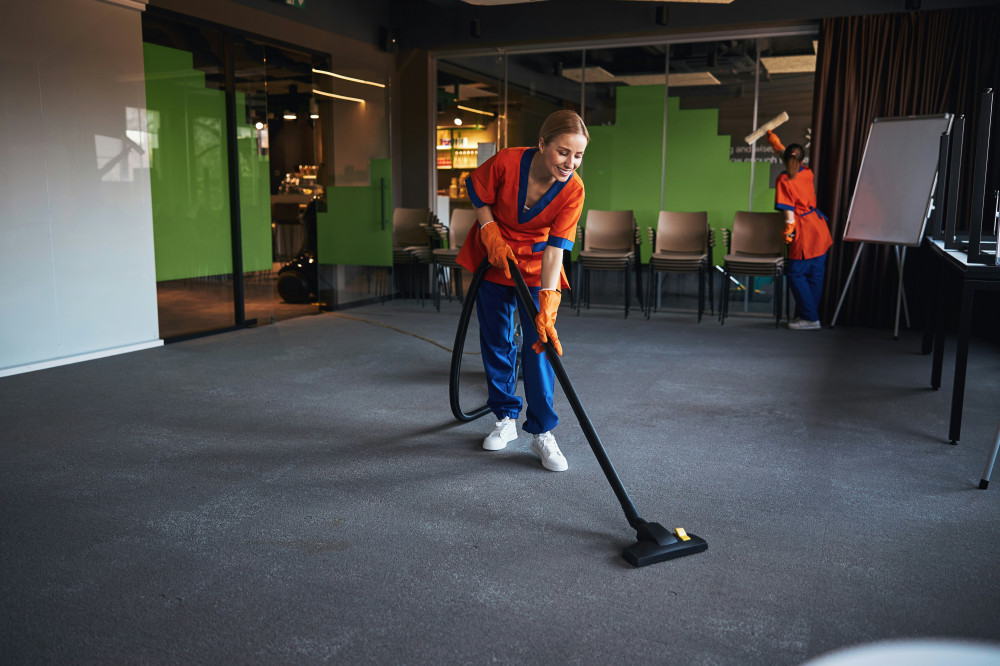
- Energy-efficient machines such as low-power vacuum cleaners or floor scrubbers can make a big difference over time.
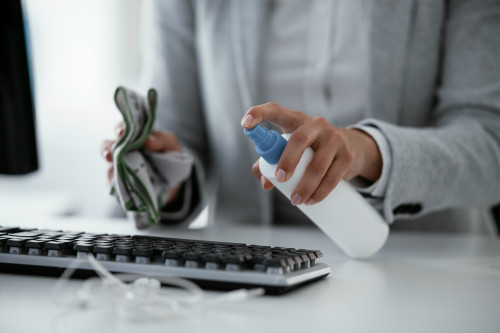
- Measure your cleaning products carefully – using too much not only wastes resources but can also damage surfaces. Use dosing systems or measuring cups for accuracy.
- Maintain your equipment – clean filters, sharp brushes and properly charged batteries ensure machines run efficiently and use less energy.
Investing in quality equipment pays off quickly through lower running costs and longer lifespan.
Think about timing and routines
When and how you clean also affects energy use. Small adjustments to your routine can lead to noticeable savings.
- Make use of daylight – clean during the day to reduce the need for artificial lighting.
- Coordinate with other activities – avoid cleaning when heating, ventilation or air conditioning is running at full power.
- Group tasks together – it’s more energy-efficient to complete one thorough cleaning round than several small ones.
- Use cold water where possible – many cleaning products work just as well without hot water, saving energy.
By integrating cleaning into your daily operations, you can create a rhythm that’s both practical and sustainable.
Train and involve your team
Even the best plan only works if everyone is on board. Training and engagement are key to achieving lasting results.
- Provide training on correct use of equipment and products – this reduces waste and improves cleaning quality.
- Share environmental goals – when staff understand why changes matter, motivation increases.
- Encourage ownership – invite cleaning staff to suggest improvements. They know the routines best and often spot opportunities to save resources.
An engaged team is essential for maintaining an efficient and eco-friendly cleaning culture.
Monitor and adjust regularly
Sustainable cleaning is an ongoing process. By tracking your use of water, energy and cleaning products, you can continuously improve your approach.
- Measure consumption – record water and electricity use before and after changes.
- Evaluate results – are the new routines working, or do they need tweaking?
- Share experiences – both within your organisation and with partners. Exchanging ideas can inspire new solutions.
Small improvements over time can lead to significant savings – both financially and environmentally.
A cleaner future – with less consumption
Planning your cleaning smartly isn’t just about saving money; it’s about taking responsibility for the environment. By reducing your energy and water use, you also cut CO₂ emissions and ease the strain on natural resources.
With structured planning, modern equipment and motivated people, cleaning can become more efficient and more sustainable – benefiting both people, the planet and your bottom line.
Læs også: