The Office’s Journey: From Cellular Offices to Modern, Flexible Work Zones

The Office’s Journey: From Cellular Offices to Modern, Flexible Work Zones
The office has undergone a remarkable transformation over the past decades. From the closed cellular offices of the 1960s and 70s to the open-plan layouts of the 1990s, and now to today’s flexible work zones where employees move freely between different types of spaces. This evolution reflects technological progress, changing work habits, and a new understanding of wellbeing and collaboration.
From Private Rooms to Shared Spaces
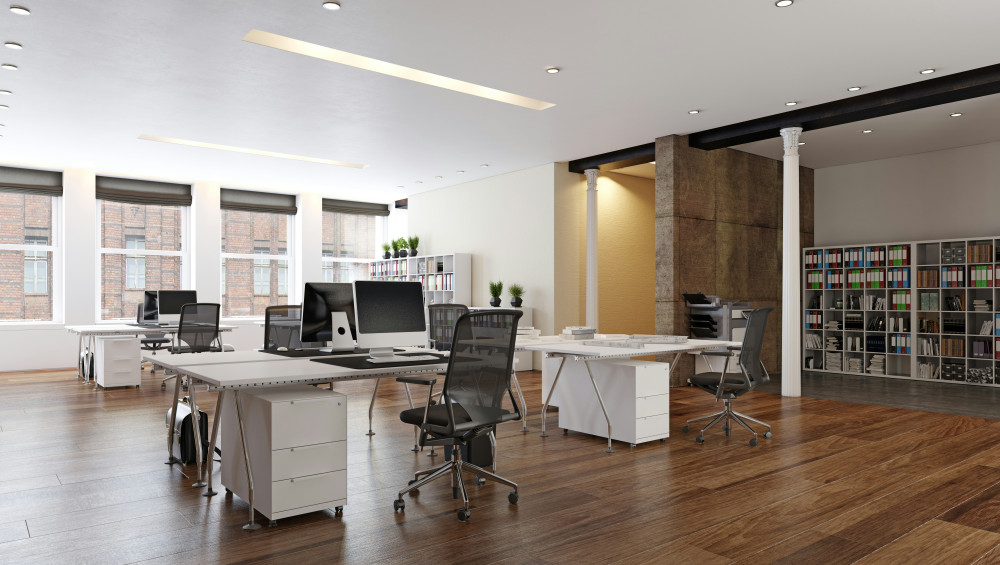
For many years, the private office was the ideal. Each employee had their own room, their own desk, and their own door to close. It offered peace and concentration but also created distance between colleagues. Communication often took place through phone calls or scheduled meetings, and collaboration required planning.
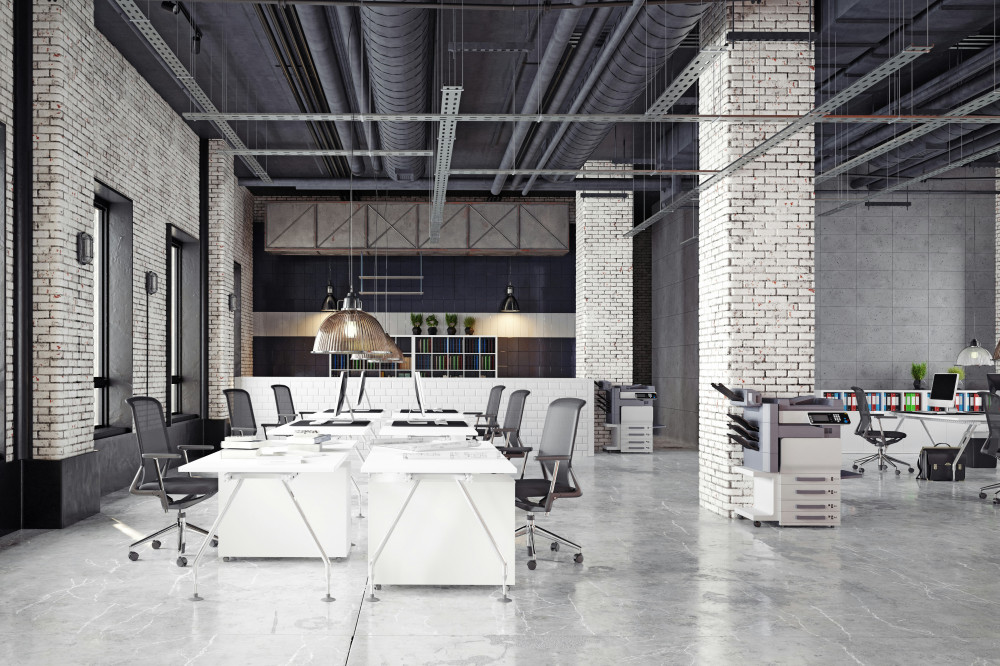
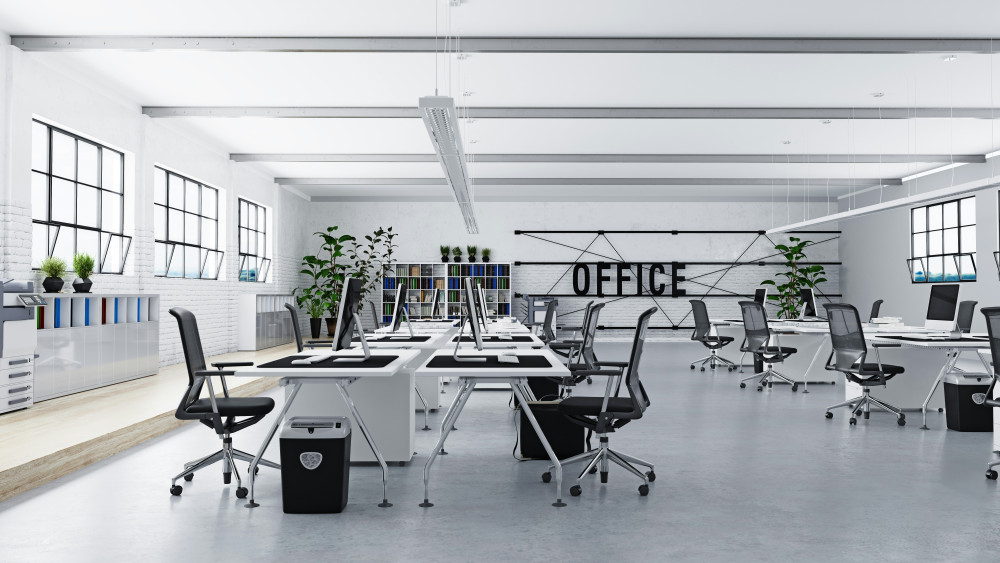
As businesses began to focus more on efficiency and teamwork, open-plan offices emerged. Walls were removed, and employees worked side by side in large, shared spaces. The idea was to encourage knowledge sharing and spontaneous dialogue – but many also experienced noise, distractions, and a lack of privacy.
Læs også:
The Role of Technology in Transformation
Digitalisation has played a crucial role in reshaping the workplace. As work has become less dependent on paper, filing cabinets, and desktop computers, the need for fixed desks has diminished. Laptops, cloud-based systems, and wireless networks have made it possible to work anywhere – in the office, at home, or on the move.
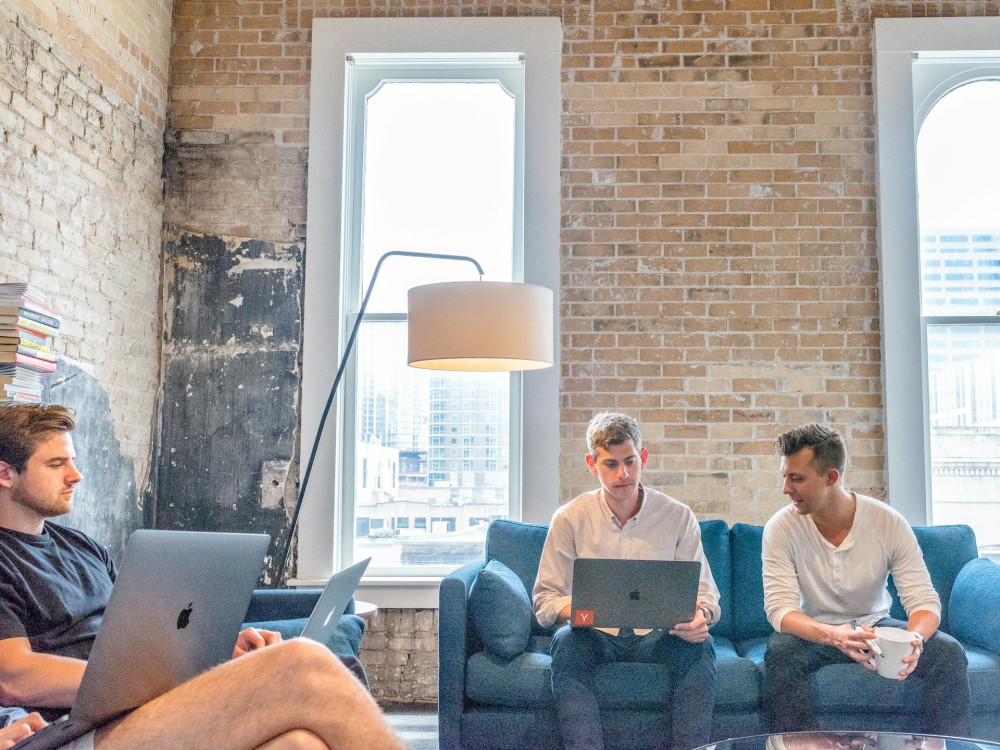
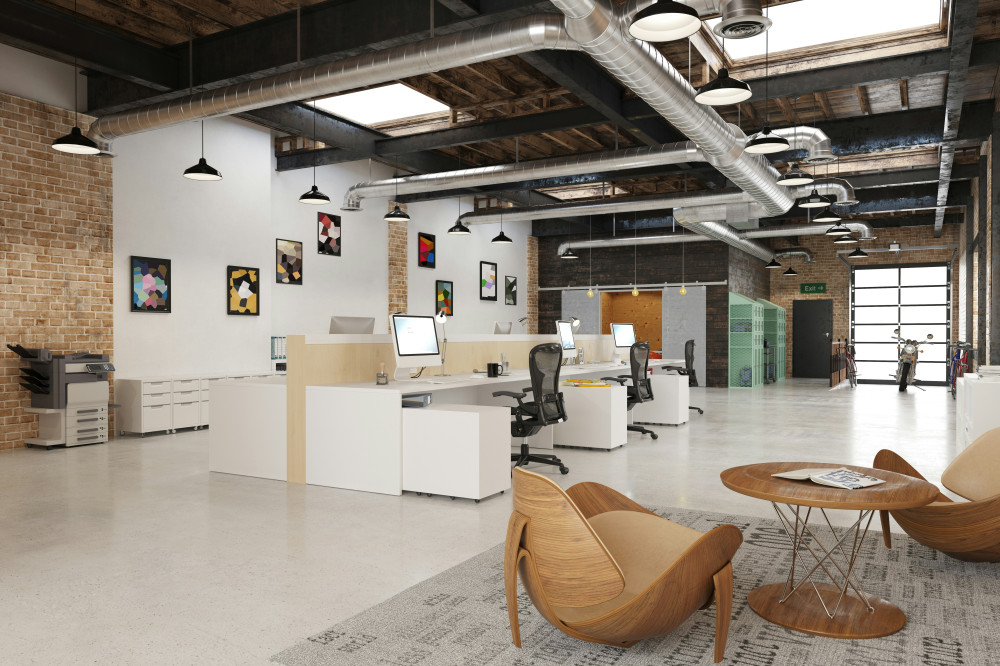
This technological freedom paved the way for new office concepts such as activity-based working, where employees choose their workspace according to the task at hand: quiet zones for focus, collaborative areas for teamwork, and informal lounges for idea sharing.
The Office as a Social and Cultural Hub
Even though many people can now work from home, the office has taken on a new role as a social and cultural hub. It’s where company culture is felt and relationships are built. Modern offices therefore aim to create environments that support both community and flexibility.
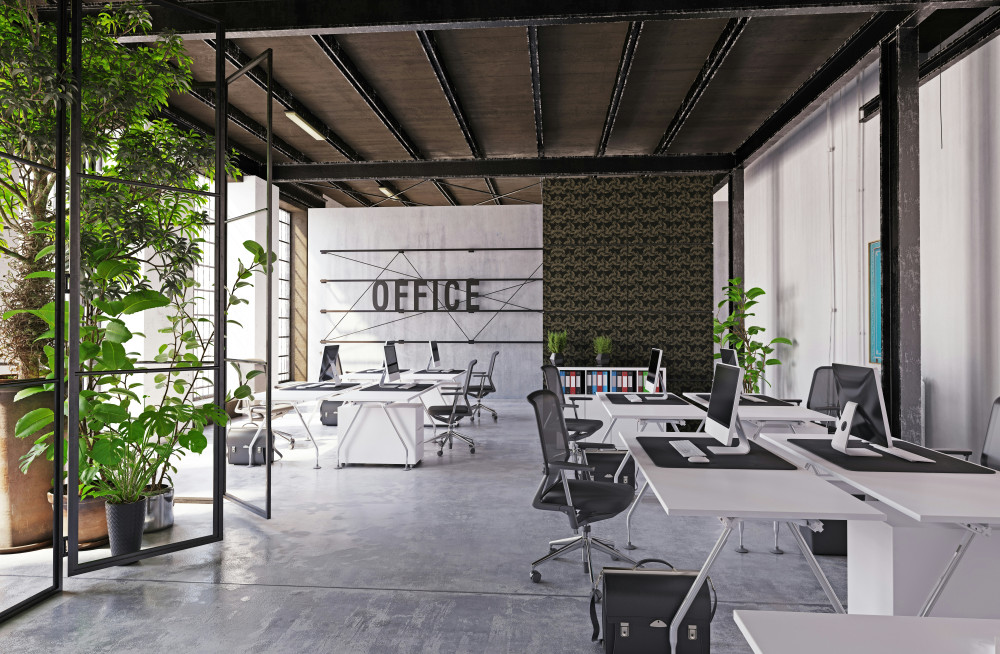
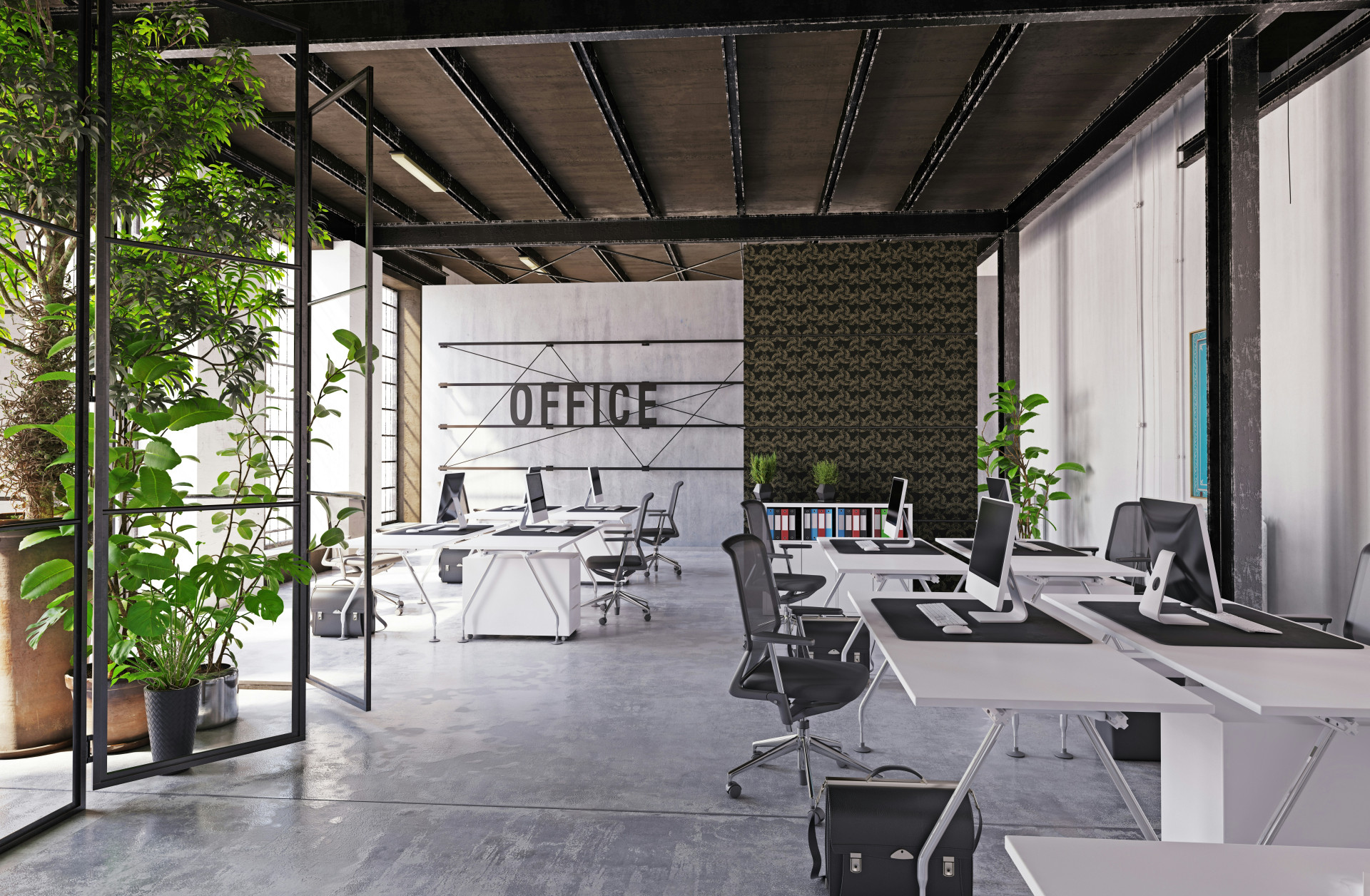
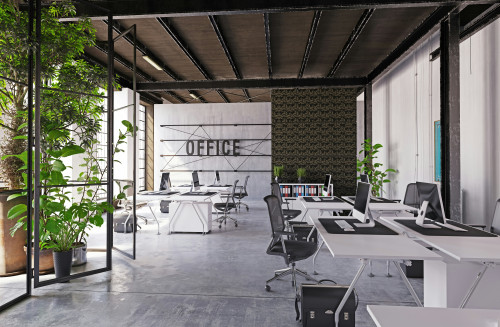
Design is no longer just about function but also about experience. Natural light, greenery, acoustic solutions, and thoughtful materials all contribute to wellbeing and identity. Many British companies now see the office as a physical expression of their values – a place that should inspire and engage employees.
Flexibility as the Key Word
Since the pandemic, flexibility has become even more important. Many UK organisations have adopted hybrid working models, allowing employees to split their time between home and office. This shift has changed office design: fewer fixed desks, more meeting zones, and better digital tools for collaboration across locations.
Flexibility, however, is not only about physical space. It’s also about trust and culture. When employees are free to choose where and how they work best, leadership must focus on outcomes rather than presence.
The Future Office – A Dynamic Ecosystem
The office of the future will not be a single, fixed concept but a dynamic ecosystem that adapts to the organisation’s needs. Some days it will serve as a creative meeting place; on others, as a quiet workspace. Technology, sustainability, and human wellbeing will remain central drivers.
The goal is no longer just to have a place to work, but to create an environment that supports innovation, collaboration, and happiness. The office’s journey is far from over – it continues to evolve alongside the way we work.
Læs også: