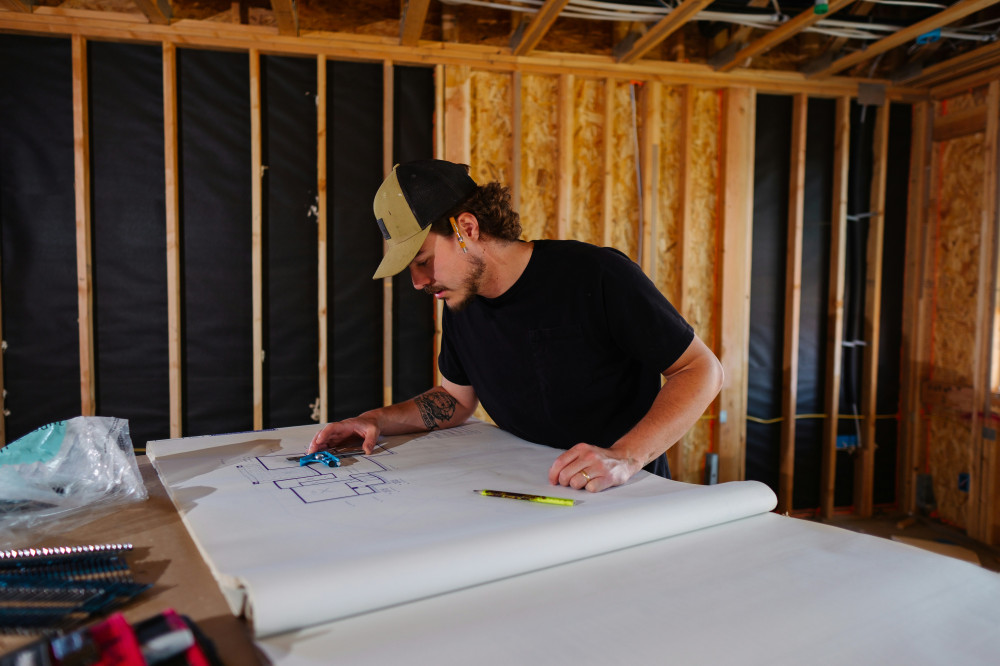
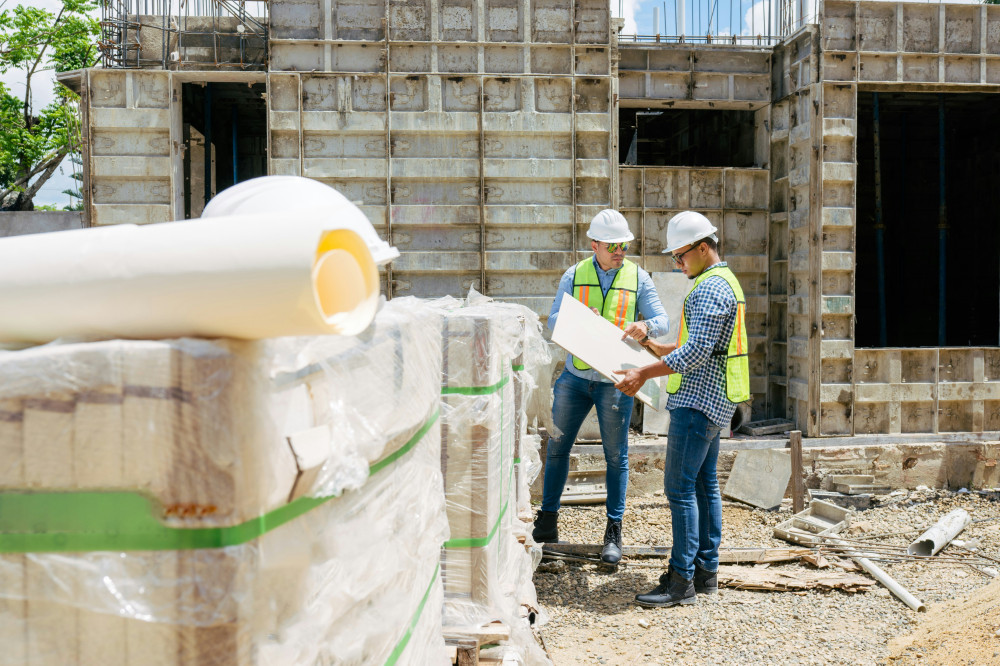
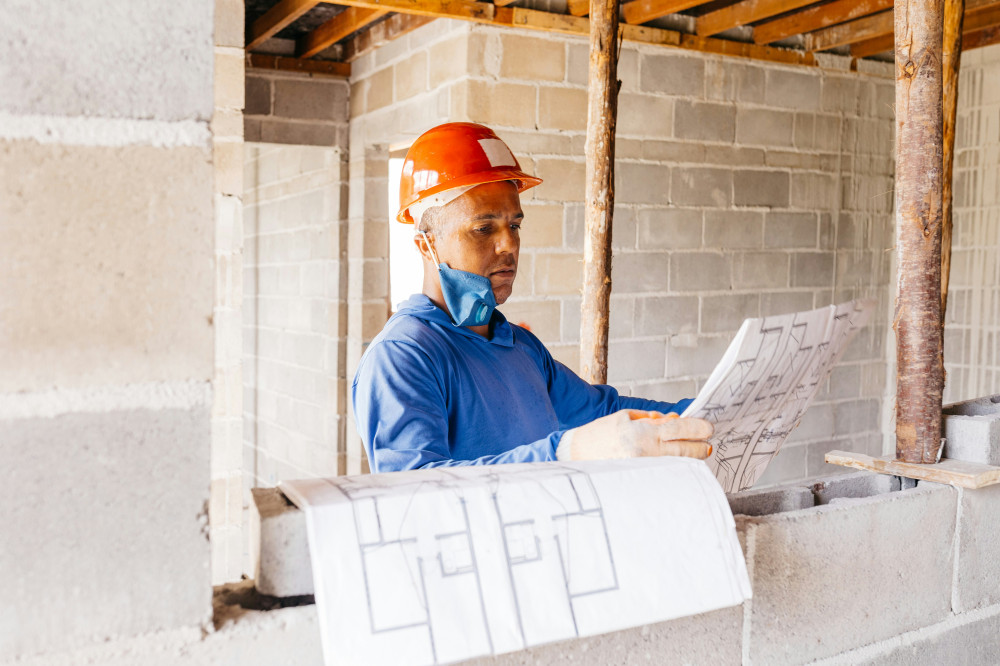
When IT Meets Construction: Cross-Disciplinary Innovation Drives the Future of Building Technology


When IT Meets Construction: Cross-Disciplinary Innovation Drives the Future of Building Technology
The UK construction industry is undergoing a digital transformation. Where craftsmanship and on-site experience once defined the trade, data, automation, and digital collaboration are now reshaping how we design, build, and maintain our built environment. When IT meets construction, new opportunities emerge to build smarter, faster, and more sustainably – but also new demands for collaboration and skills. Cross-disciplinary innovation is becoming the cornerstone of the future of building technology.
Digital Tools Redefine the Building Site
Over the past decade, digital tools such as Building Information Modelling (BIM), drones, and Internet of Things (IoT) sensors have become integral to British construction projects. What used to be a paper-based process is now a fully digital workflow, where every stage – from concept and design to operation and maintenance – can be modelled and managed in real time.
BIM allows architects, engineers, and contractors to work within a shared digital environment. Changes are instantly visible to all parties, reducing errors, saving time, and improving cost control. Meanwhile, sensors embedded in buildings can monitor temperature, humidity, and energy use, enabling continuous optimisation of performance and maintenance.
Læs også:

Data as the New Building Material
Data has become one of the most valuable resources in modern construction. By collecting and analysing information from design and on-site processes, companies can predict issues before they occur and make better-informed decisions. In the planning phase, data-driven simulations can test different design scenarios, while in operation, buildings can “communicate” their performance through live data streams.
Digital twins – virtual replicas of physical assets – are increasingly being adopted across the UK. These models are continuously updated with sensor data, allowing facility managers to test modifications virtually and plan predictive maintenance, extending the lifespan of buildings and infrastructure.
New Roles and Ways of Working
As IT and construction converge, traditional project structures are being redefined. Where architects, engineers, and tradespeople once worked in separate phases, digital construction demands closer collaboration across disciplines. Software developers and data analysts are now part of project teams, and communication between digital and physical specialists is key to success.
This shift also changes the skill requirements. Site managers need to understand data and software tools, while IT professionals must grasp construction processes and materials. British universities and training providers are responding by developing interdisciplinary programmes that combine digital literacy with practical construction knowledge.
Building Sustainability Through Technology
One of the greatest benefits of digitalisation is its potential to drive sustainability. With data analytics, material use can be optimised, waste reduced, and carbon footprints calculated as early as the design stage. Automation and robotics enable more precise construction, minimising resource consumption and improving safety.
3D printing of building components is emerging as a promising technology, reducing transport needs and material waste while allowing for innovative architectural designs. Artificial intelligence can assist in selecting low-carbon materials and predicting long-term energy performance, supporting the UK’s net-zero ambitions.
Challenges and Opportunities Ahead
Despite the promise, digital transformation in construction is not without challenges. Many firms struggle to integrate new technologies into existing workflows, and the lack of common data standards can hinder collaboration. The transition also requires significant investment – not only in technology but in training and cultural change.
Yet the benefits are clear: fewer errors, lower costs, faster delivery, and more sustainable outcomes. Companies that successfully bridge the gap between IT and construction will be best positioned to lead in an increasingly competitive and environmentally conscious market.
The Future of Building Is Collaborative
When IT meets construction, the story is not just about technology – it’s about people. Innovation happens where coders, architects, engineers, and builders work together towards shared goals. The future of construction will be more integrated, data-driven, and sustainable than ever before.
Cross-disciplinary innovation is no longer optional; it is essential. Those who can connect digital intelligence with physical craftsmanship will shape the buildings and cities of tomorrow.
Læs også: