Minimising business downtime with effective cold room management

Minimising business downtime with effective cold room management
Minimising business downtime with effective cold room management
Effective cold room management is essential for reducing business downtime and maintaining profitability. Regular maintenance and strategic planning can significantly lower the risk of operational disruptions. Businesses must understand the importance of efficient systems to sustain growth and reliability.
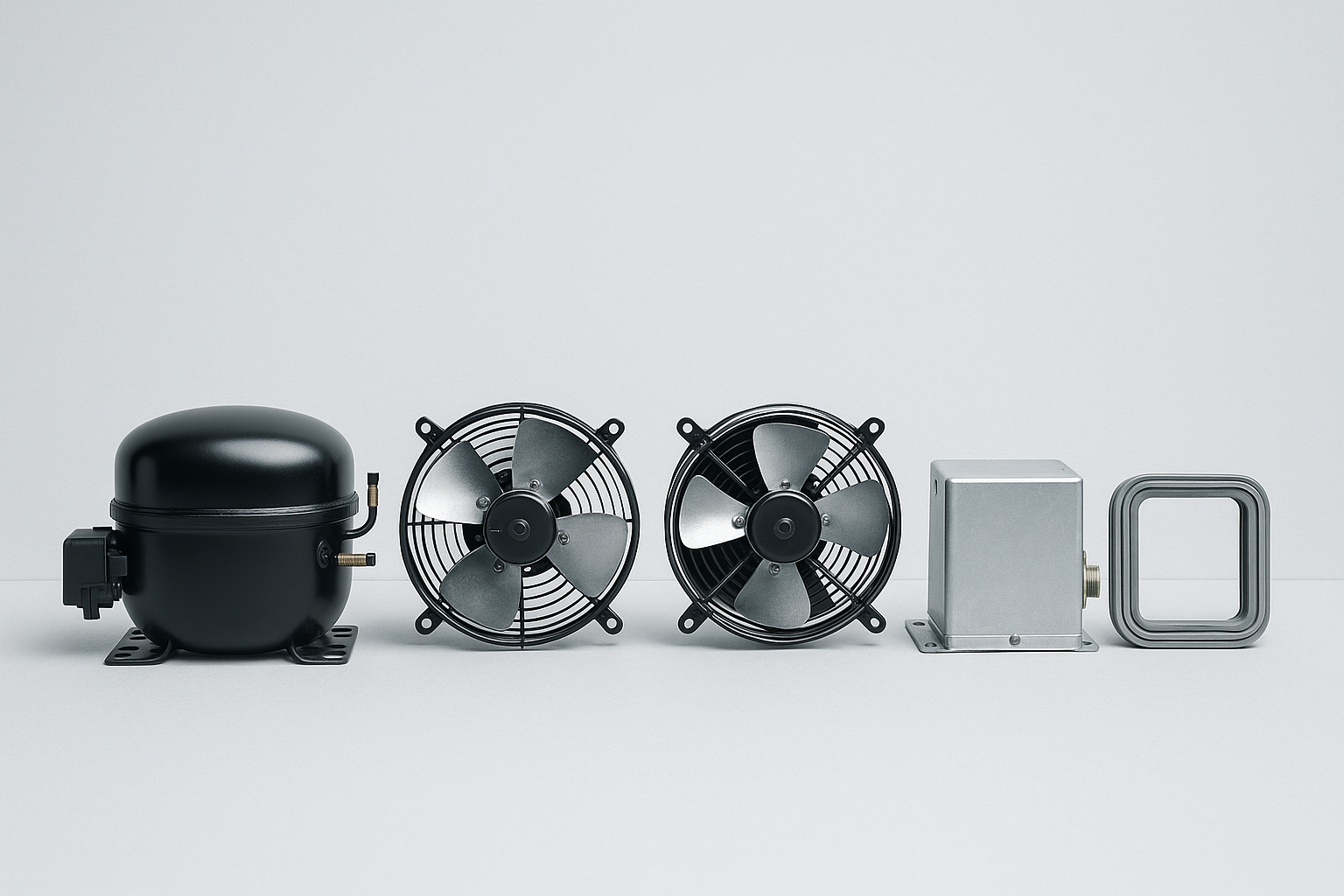
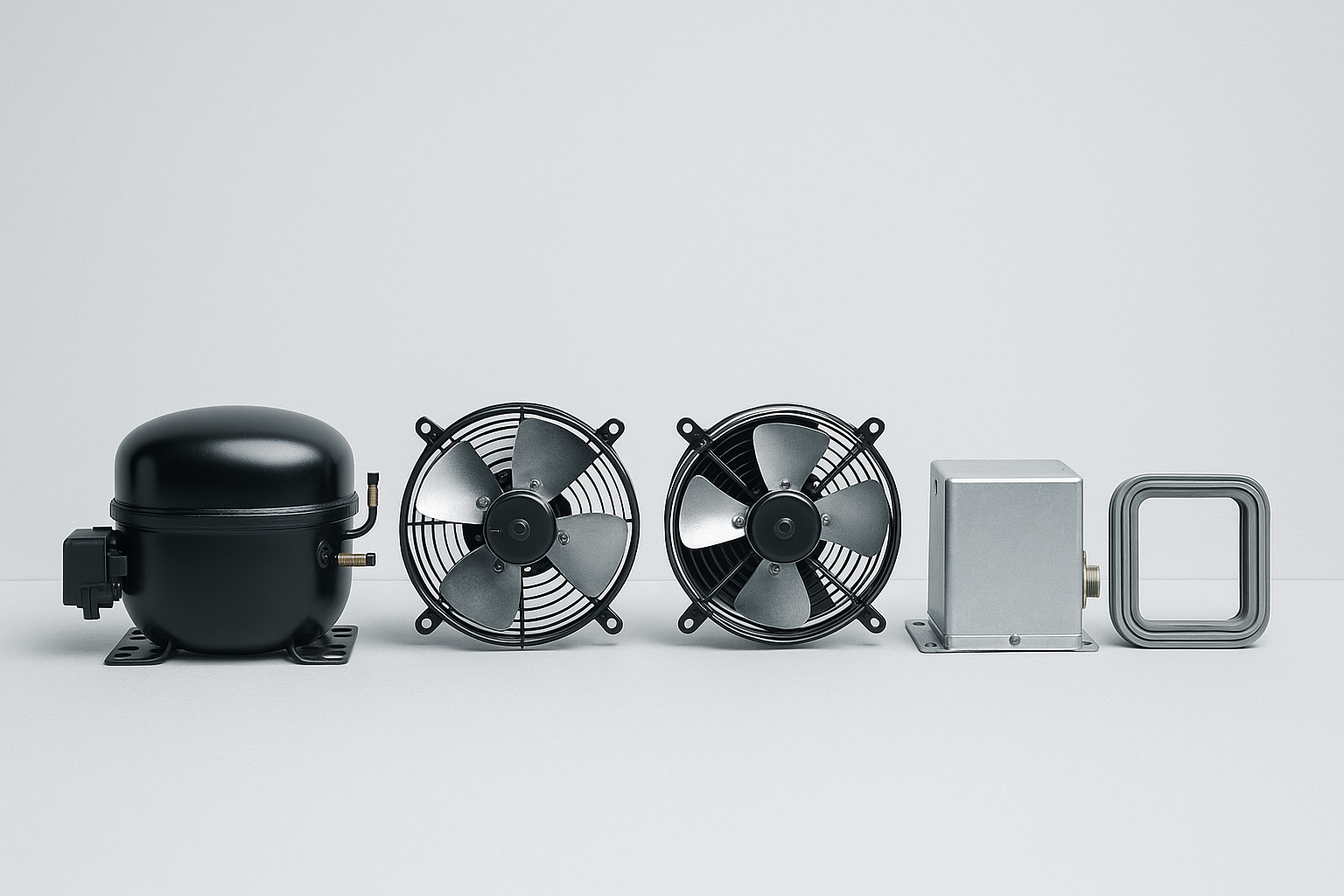
Cold rooms are crucial in various industries, such as food service, pharmaceuticals, and logistics. These temperature-controlled environments are vital for preserving the quality and safety of perishable goods. However, any downtime can lead to significant financial losses due to spoilage and disrupted supply chains. Implementing strategies to ensure the smooth operation of these cold rooms is important for maintaining business continuity. Regular checks and updates can mitigate risks, ensuring that your business remains competitive in today’s demanding market. For businesses looking to maintain efficiency, having access to cold room spares can be a critical factor in reducing downtime.
Key aspects of effective cold room management
Effective cold room management involves more than just maintaining a steady temperature; it includes regular monitoring and maintenance to ensure optimal performance. A well-maintained system not only prolongs the life of equipment but also enhances energy efficiency, reducing overall operational costs. Utilising technology for real-time monitoring allows businesses to identify issues before they escalate into major problems.
Routine checks on components like compressors, fans, and insulation can prevent unexpected breakdowns. Training staff to recognise early signs of wear or failure further supports these efforts. Additionally, integrating predictive maintenance techniques can help preempt potential failures. By doing so, you avoid costly repairs and extended downtime, ensuring your operations run smoothly.
Another critical aspect of cold room management is maintaining proper documentation and record-keeping of all maintenance activities. Detailed logs of temperature fluctuations, repair history, and equipment performance provide valuable insights into system behavior over time. This data-driven approach enables managers to identify patterns and trends that may indicate underlying issues requiring attention. Furthermore, establishing clear protocols for emergency situations ensures that staff members know exactly how to respond when problems arise, minimising confusion and reducing response times during critical moments.
Proactive strategies to prevent cold room issues
Adopting proactive strategies is crucial for preventing cold room issues. One effective approach is to maintain an inventory of essential spare parts, such as compressors and gaskets, readily available for quick replacements when needed. This readiness reduces repair times and minimises disruption. Implementing a contingency plan ensures that your business can swiftly respond to emergencies without significant impact on operations.
Regularly scheduled inspections by qualified technicians help detect vulnerabilities early on. Establishing a routine maintenance schedule guarantees that all components function optimally. Additionally, investing in high-quality parts and equipment pays off in reliability and longevity, minimising the likelihood of unexpected breakdowns.
The economic benefits of reducing downtime
Reducing downtime offers substantial economic benefits by enhancing operational efficiency and cost-effectiveness. Effective cold room management leads to direct savings on energy bills by optimising system performance. Additionally, it reduces waste due to spoilage, further contributing to cost savings.
Businesses that have implemented robust maintenance programmes often report increased customer satisfaction due to reliable service delivery. Companies with efficient systems experience fewer interruptions in their supply chain processes, maintaining trust with clients and partners. Such strategic investments not only safeguard profits but also strengthen market positions by ensuring consistent product availability.
Assessing current practices for better efficiency
You should regularly assess your current cold room management practices to identify areas for improvement. By doing so, you ensure that your operations are up-to-date with the latest advancements in technology and best practices. This proactive approach not only safeguards against unforeseen disruptions but also positions your business for long-term success.
Encouraging a culture of continuous improvement within your organisation enhances resilience against operational challenges. Regular training sessions for staff on equipment handling and emergency protocols boost preparedness levels. As you integrate these strategies into your daily operations, you'll find that they enhance overall business efficiency and profitability.