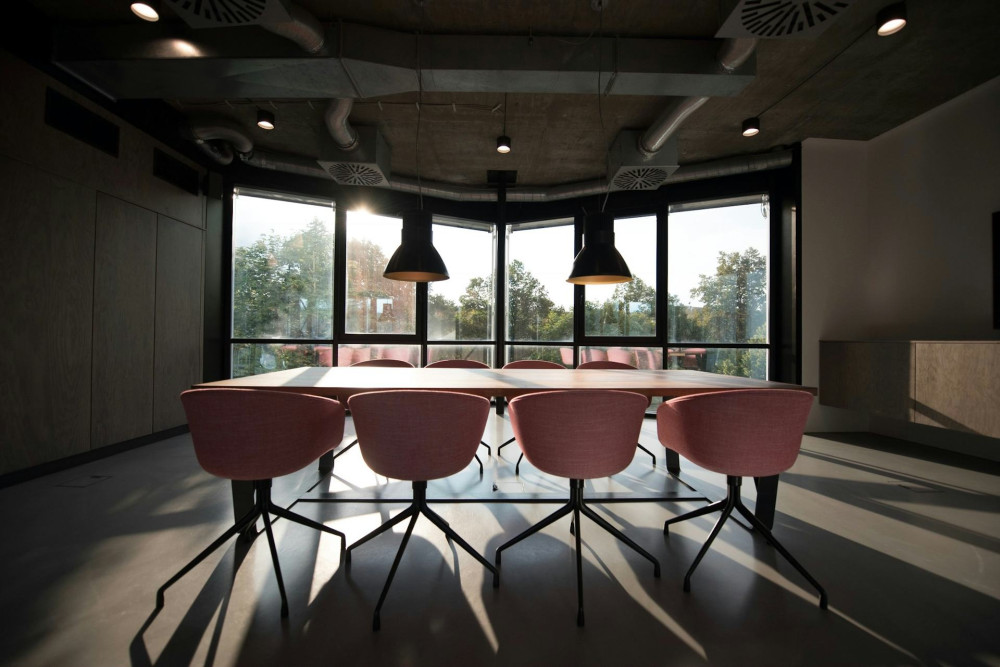
Design a Flexible Home Office That Adapts to Your Work Tasks

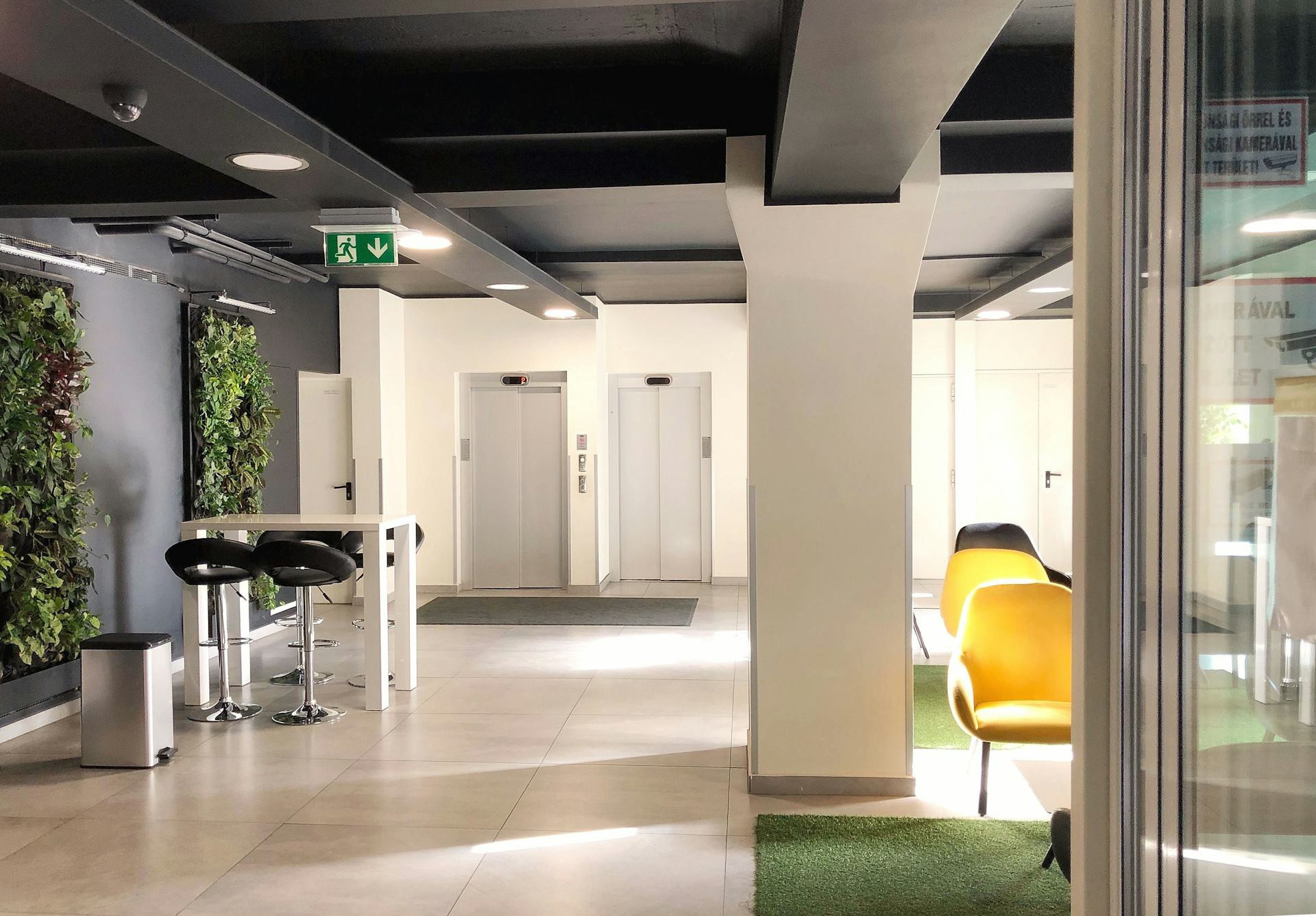
Create a workspace that grows with your needs and keeps you productive every day
Office
Office
5 min
Discover how to design a home office that adapts to your changing work tasks. From flexible furniture and smart tech to focus zones and personal touches, learn how to build a space that supports both efficiency and creativity.
Luke Hughes
Luke
Hughes

Design a Flexible Home Office That Adapts to Your Work Tasks

Create a workspace that grows with your needs and keeps you productive every day
Office
Office
5 min
Discover how to design a home office that adapts to your changing work tasks. From flexible furniture and smart tech to focus zones and personal touches, learn how to build a space that supports both efficiency and creativity.
Luke Hughes
Luke
Hughes

Working from home has become a permanent part of life for many people in the UK. Whether you’re freelancing, hybrid working, or running your own business, your home office needs to support focus, creativity, and comfort. But how do you design a workspace that adapts to different tasks – from video calls and deep work to brainstorming and breaks? Here’s how to create a flexible home office that works for you.

Think in Zones – Not Just Furniture

A flexible home office is about switching easily between different modes of work. Instead of one fixed desk, divide your space into zones:

  • Focus zone – a quiet area with good lighting and an ergonomic chair for concentrated work.
  • Meeting zone – a tidy corner with a neutral background and good acoustics for video calls.
  • Creative zone – a space where you can stand, sketch ideas, or use a whiteboard for planning.

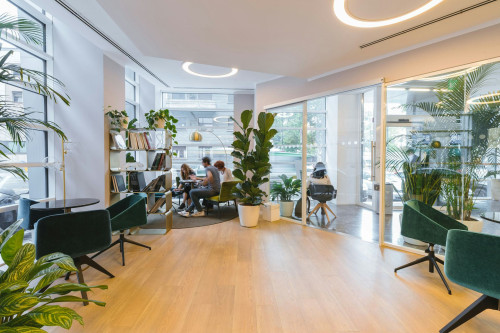
Even in small flats, you can define zones using rugs, lighting, or shelving to mark different functions. The goal is to make it easy to shift your mindset as you move between tasks.

Choose Adjustable and Mobile Furniture

Flexibility starts with furniture that adapts to you. A height-adjustable desk lets you alternate between sitting and standing, while a supportive chair with adjustable height and backrest helps prevent strain.

Consider mobile solutions too: a small side table on wheels, a folding desk, or stackable storage that can be moved when needed. If you share your workspace with others, these options make it easy to reconfigure the room throughout the day.

Create an Environment That Supports Focus

A productive home office isn’t just about furniture – it’s about atmosphere. Light, sound, and air quality all affect how well you work.

  • Light: Combine natural daylight with adjustable lamps. Avoid glare on your screen and use warm light for a calm mood.
  • Sound: Use rugs, curtains, or acoustic panels to reduce echo. Noise-cancelling headphones can also help during calls or focused work.
  • Air: Keep the room well-ventilated and add a few houseplants – they improve air quality and boost your mood.

A calm, comfortable environment helps you stay focused, especially when working long hours at home.

Make Technology Work for You

A flexible workspace relies on reliable technology. Ensure you have a strong Wi-Fi connection, a good-quality monitor, and a headset with a microphone to avoid frustration during meetings.

Go wireless where possible – it keeps your desk tidy and makes it easier to move around. A docking station can also save time, allowing you to connect your laptop to your monitor, keyboard, and power in one go.

Add Personality – But Keep It Simple

Your home office should be a place you enjoy spending time in. Personal touches like artwork, books, or photos can make the space feel inspiring. Just be careful not to overcrowd your desk – clutter can distract you and reduce productivity.

Choose colours and materials that suit your working style. Some people prefer calm, neutral tones, while others thrive in a more vibrant setting. The key is to create a space that feels like your own and supports your energy.

Make Room for Breaks and Movement

When working from home, it’s easy to blur the line between work and rest. Designate a small area for breaks – perhaps a comfy chair by the window or a spot on the balcony.

Movement is just as important. Stand up, stretch, or take a short walk between tasks. A flexible office isn’t only about adaptable furniture – it’s also about building healthy rhythms into your day.

Let Your Workspace Evolve

Your home office should grow with you. As your projects, tools, or routines change, take time to adjust your setup. A new lamp, a rearranged shelf, or an extra plant can make a big difference.

The most effective home office is one that evolves – supporting you whether you’re focusing solo, collaborating online, or switching between creative and analytical work. Keep it flexible, and it will keep working for you.

Design a Flexible Home Office That Adapts to Your Work Tasks
Create a workspace that grows with your needs and keeps you productive every day
Office
Office
Home Office
Interior Design
Remote Work
Productivity
Workspace Ideas
5 min
Discover how to design a home office that adapts to your changing work tasks. From flexible furniture and smart tech to focus zones and personal touches, learn how to build a space that supports both efficiency and creativity.
Luke Hughes
Luke
Hughes
Find your way around the office: Signs and wayfinding that create clarity
Make your workplace easier to navigate with smart signage and thoughtful wayfinding
Office
Office
Office Design
Wayfinding
Signage
Workplace Experience
Interior Branding
7 min
Discover how clear signs and well‑designed wayfinding can transform your office from a confusing maze into a calm, efficient, and welcoming environment. Learn how visual cues, digital tools, and brand‑aligned design help everyone find their way with confidence.
Jesse Cooper
Jesse
Cooper
Light Without Windows: Create a Natural Working Environment in Dark Rooms
Transform windowless rooms into bright, inspiring spaces with smart lighting and design
Office
Office
Interior Design
Lighting
Home Office
Wellbeing
Decoration
4 min
Discover how to create a natural, uplifting atmosphere in rooms without windows. With the right lighting, colours, and layout, you can design a workspace that feels open, balanced, and full of life – even in the darkest corners of your home or office.
Ava Powell
Ava
Powell
Shared Ground Rules in the Office: How to Create Clear Guidelines for Digital Communication
Build a more respectful and efficient workplace through clear digital communication
Office
Office
Digital Communication
Workplace Culture
Team Collaboration
Remote Work
Office Guidelines
6 min
Misunderstandings and stress often arise when online communication lacks structure. Learn how to create shared ground rules for emails, chats, and video meetings that promote clarity, respect, and collaboration in your team.
Caden Edwards
Caden
Edwards
Due diligence vs. research: What’s the difference – and why does it matter?
Understand the crucial distinction between due diligence and research before making your next big business move
Companies
Companies
Due Diligence
Business Research
Investment
Risk Management
Decision Making
5 min
Many professionals use “due diligence” and “research” as if they mean the same thing—but they don’t. This article explains how these two processes differ in purpose, depth, and application, and why knowing the difference can make or break your business decisions.
Milo Bell
Milo
Bell
Staying Competitive in Uncertain Times: Strategies to Strengthen Your Business
Build resilience and agility to help your business thrive in a changing world
Companies
Companies
Business Strategy
Resilience
Digital Transformation
Leadership
Sustainability
2 min
In an era of constant disruption, staying competitive requires more than just great products or pricing. Discover practical strategies to strengthen your business, adapt to uncertainty, and turn challenges into opportunities for growth.
Luke Hughes
Luke
Hughes
Networks as a Lever: How to Strengthen Your Leadership Development Through Relationships
Unlock the power of relationships to accelerate your growth as a leader
Companies
Companies
Leadership
Networking
Professional Development
Relationships
Personal Growth
5 min
Discover how meaningful connections can become one of your greatest assets in leadership development. Learn to build purposeful networks, nurture authentic relationships, and use your network as a source of reflection, learning, and inspiration.
Jesse Cooper
Jesse
Cooper