Find your way around the office: Signs and wayfinding that create clarity


Find your way around the office: Signs and wayfinding that create clarity
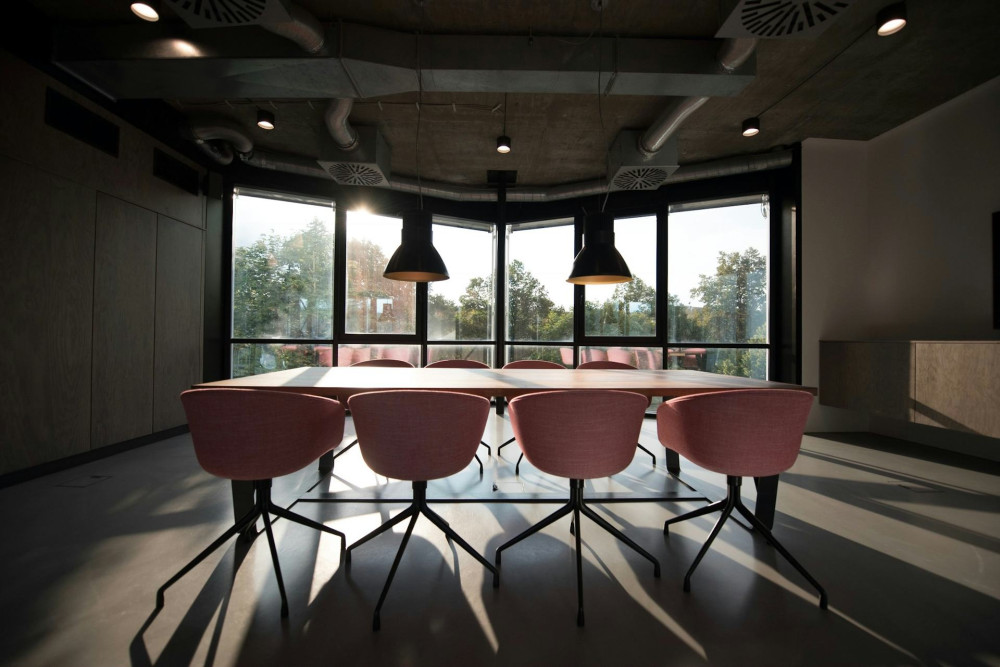
An office can easily feel like a maze – especially for new employees, visitors or partners arriving for the first time. Where’s the meeting room? How do you get to the kitchen? And which corridor leads to the printers? Clear signage and well‑planned wayfinding are the keys to an office where everyone can navigate without confusion. It’s not just about aesthetics – it’s about creating calm, efficiency and a positive experience of the workplace.
Why wayfinding matters more than you think
Wayfinding – the art of helping people find their way – combines design, psychology and functionality. When it works, you hardly notice it. When it doesn’t, frustration quickly sets in. Poor signage can lead to wasted time, misunderstandings and even stress, while good wayfinding creates confidence and a sense of order.
An office with clear visual communication signals professionalism and care. It shows that the organisation values both employees’ and visitors’ time. At the same time, signs and graphic elements can help express the company’s identity and values.
Læs også:
Signs that guide – not confuse
A good sign is more than just text on a panel. It should be easy to read, logically placed and designed to fit its surroundings. Here are some key principles:
- Clarity over creativity – choose a simple typeface and clear symbols. Too many decorative effects can make the message harder to read.
- Contrast and legibility – ensure that text and background stand out from each other and that the sign can be read from a distance.
- Consistency – use the same style, colours and layout across all signs. This creates recognition and makes orientation easier.
- Placement – signs should appear where people naturally look. A directional sign should be visible before a junction, not after it.
It’s often useful to test your signage with people unfamiliar with the building. They’ll quickly spot where the logic breaks down.
Colours, symbols and zones
Colours and icons can be powerful tools in wayfinding. Many organisations divide their offices into zones, each with its own colour or graphic marker. This makes it easier to remember where you’ve been and where you’re going.
- Colour coding can highlight departments, floors or functions – for example, blue for meeting rooms, green for communal areas and orange for technical spaces.
- Pictograms are especially helpful for guests and international colleagues who may not speak the language fluently. A coffee cup says more than the word “kitchen”.
- Floor markings or wall graphics can complement signs and create an intuitive route through the building.
When colours and symbols are used consistently, they become part of the office’s visual language – and a daily aid to navigation.
Digital wayfinding and flexible solutions
As offices become more flexible and employees move between desks and meeting spaces, digital solutions are gaining ground. Interactive screens, QR codes and apps can show the way to available meeting rooms, printers or colleagues.
Digital signs have the advantage of being easy to update when rooms change function or when temporary information is needed – for example, during events or refurbishments. They can also integrate with booking systems, so you can instantly see whether a room is occupied.
But even with technology, the same principles apply: information should be simple, intuitive and placed exactly where the user needs it.
Signage as part of your brand identity
Signs and wayfinding are also an opportunity to express your company culture. A creative agency might choose playful graphics and bright colours, while a law firm may prefer a more understated and elegant look. The key is that the design reflects the organisation’s tone and values – without compromising functionality.
Consider how materials and finishes fit with the rest of the interior. Wood, metal, glass or acrylic each create a different atmosphere. A coherent design ties everything together and makes the office more welcoming.
An investment in wellbeing and efficiency
Good wayfinding isn’t just a design detail – it’s an investment in a well‑functioning workplace. When employees and visitors can easily find their way, mental energy is freed up for what really matters: work and collaboration.
An office with thoughtful signage feels more organised, more professional and more inviting. It’s a place where people quickly feel at home – and that’s the clearest sign that your wayfinding works.
Læs også: