Digitalisation is Changing Warehouse Design: From Static Shelves to Dynamic Systems

Digitalisation is Changing Warehouse Design: From Static Shelves to Dynamic Systems
Digitalisation has transformed nearly every aspect of business – and the warehouse is no exception. Where warehouses once relied on fixed shelving, manual processes, and paper-based systems, modern operations are now moving towards flexible, data-driven, and automated solutions. This shift is redefining not only how goods are stored, but how warehouse design itself is conceived.
From Fixed Structures to Flexible Zones
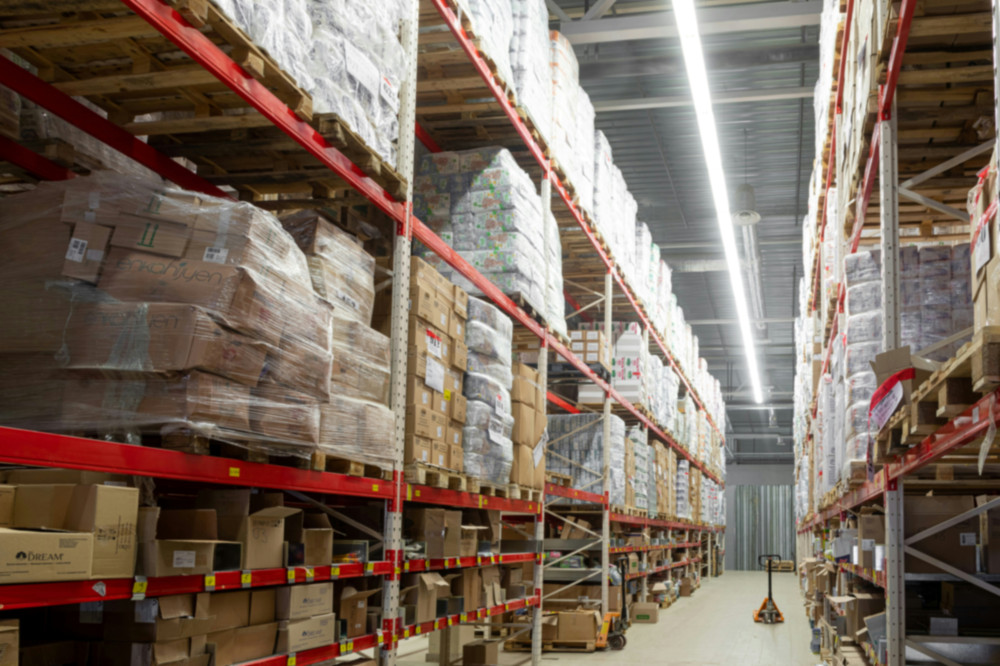
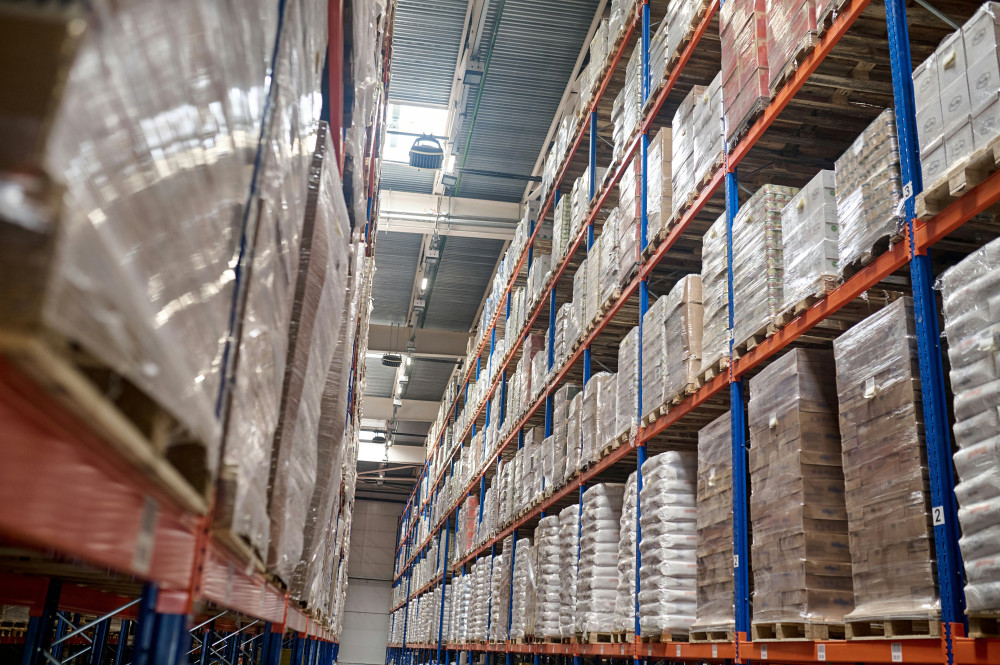
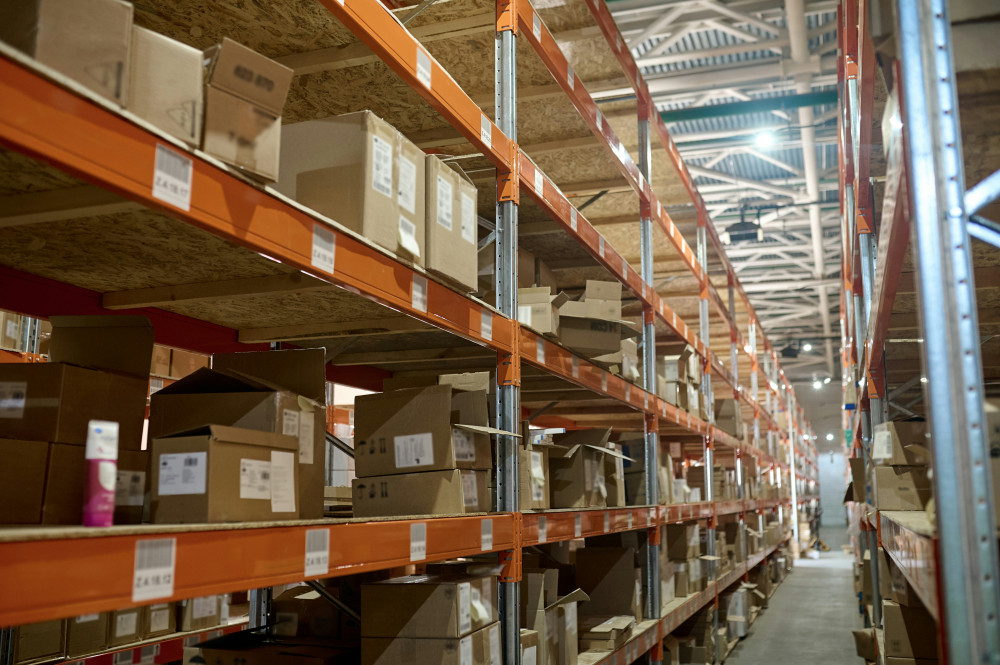
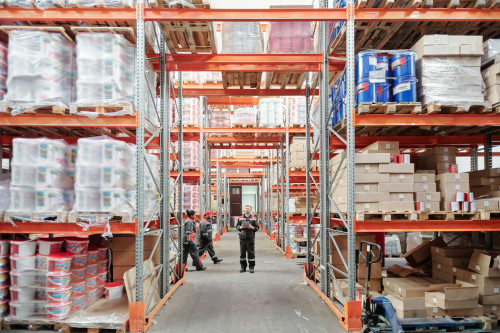
Traditionally, warehouses were built around static shelves and fixed storage locations. Each product had its designated spot, and staff knew the layout by heart. This provided stability but also created limitations – especially when product ranges expanded or demand patterns shifted.
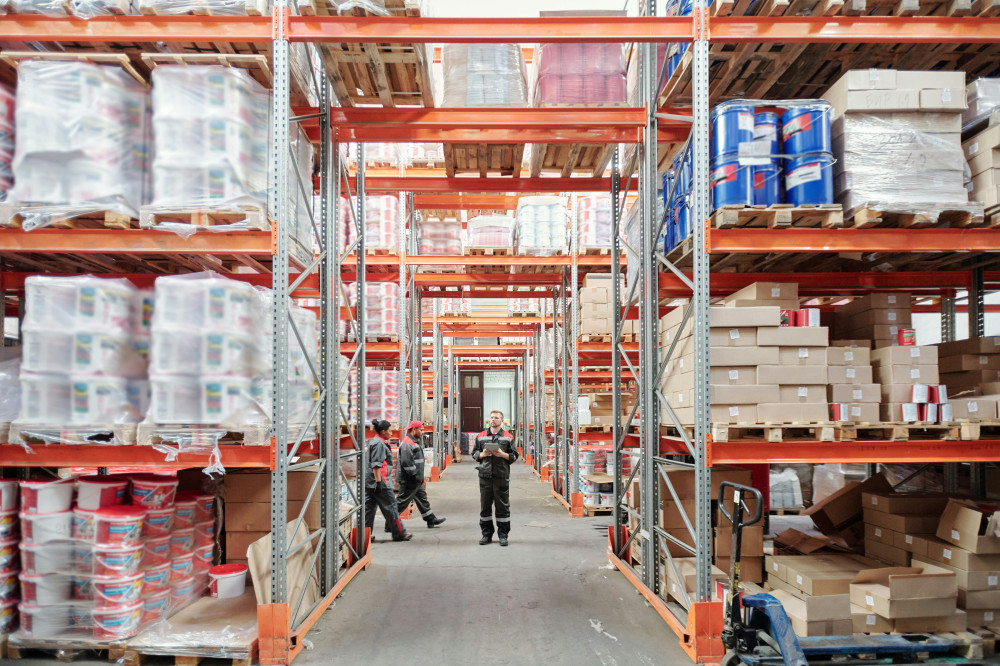
With digitalisation, this approach is evolving. Modern warehouses increasingly use dynamic zones, where product placement is continuously optimised based on data such as demand frequency, picking speed, and travel distance. High-turnover items are positioned closer to dispatch areas, while slower-moving goods are stored further away.
The result is a more efficient flow, shorter picking times, and better use of available space.
Data as a Design Tool
Digitalisation has made it possible to design and adjust warehouse layouts using precise, real-time data. Through Warehouse Management Systems (WMS), sensors, and analytics platforms, companies can now monitor movements, identify bottlenecks, and simulate layout changes before implementing them physically.
A digital warehouse design is no longer a one-off project but a continuous process. Systems learn from historical data and can predict how changes in product range, seasonality, or customer behaviour will affect logistics. This allows layouts to adapt dynamically – almost like a living system that constantly optimises itself.
Læs også:
Automation and Robotics
One of the most visible outcomes of digitalisation is automation. Robots, autonomous vehicles, and automated sorting systems have become integral to many modern warehouses. They work alongside people, taking over repetitive and physically demanding tasks.
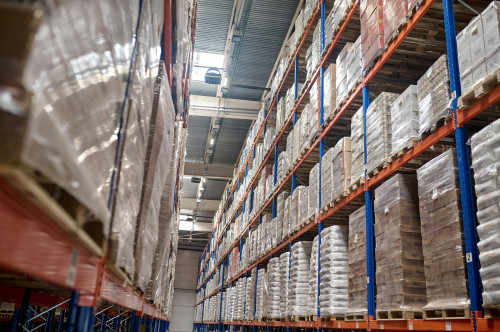
Automation introduces new design requirements. Aisles, shelving, and zones must be planned so that robots can navigate efficiently and safely alongside human workers. At the same time, technology opens up new possibilities – such as vertical storage systems where robots retrieve goods from tall racks, or mobile shelving units that move as needed.
In the UK, where space is often at a premium, these innovations are particularly valuable. Compact, automated systems allow businesses to maximise capacity without expanding their physical footprint.
Sustainability and Energy Efficiency
Digitalisation also supports greener warehouse operations. Sensors and data analytics make it possible to monitor energy use, lighting, and temperature in real time. Systems can automatically adjust lighting and ventilation based on activity levels, reducing waste and costs.
Digital tools can also optimise transport routes and minimise unnecessary movements – both within the warehouse and across the wider supply chain. This leads to lower CO₂ emissions and a more sustainable operation, aligning with the UK’s broader goals for carbon reduction and energy efficiency.
The Human Role in the Digital Warehouse
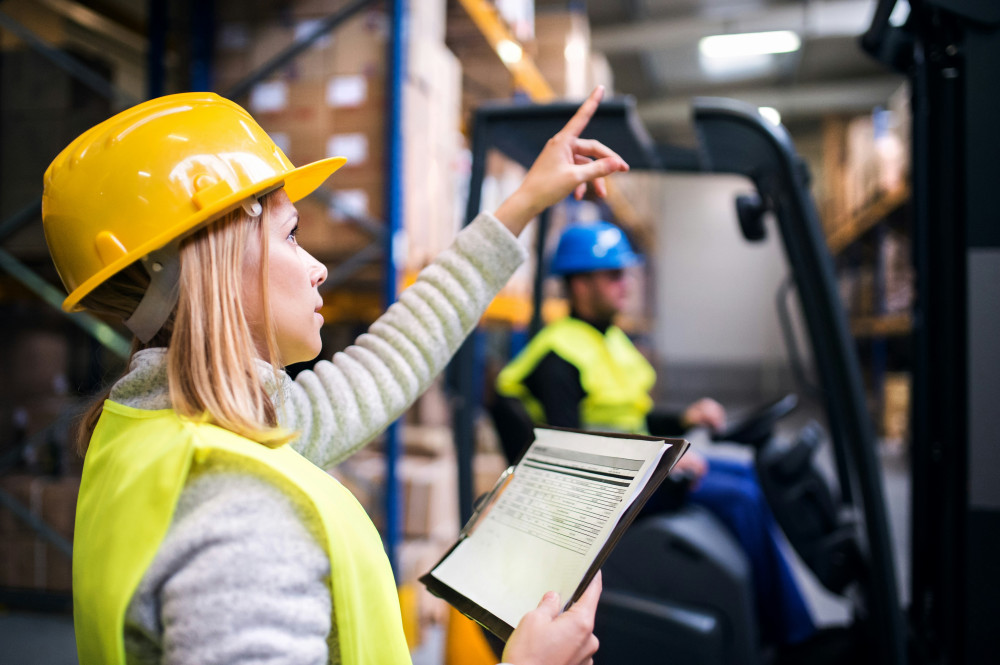
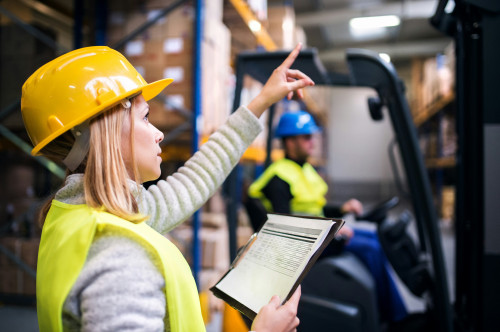
Even as technology takes centre stage, people remain essential. Digitalisation doesn’t eliminate the need for human insight – it changes how that insight is applied. Warehouse staff are increasingly becoming data operators, monitoring systems, analysing information, and solving complex problems that machines cannot handle.
This shift demands new skills and continuous training. At the same time, technology can make work safer and less physically demanding, as heavy lifting and repetitive tasks are increasingly automated. For UK businesses facing labour shortages, this combination of automation and upskilling offers a way to maintain productivity while improving working conditions.
The Warehouse of the Future: An Adaptive Ecosystem
The warehouse of the future is not a static space filled with shelves – it is an adaptive ecosystem where technology, data, and people work together. The warehouse becomes an integrated part of the company’s digital value chain, with information flowing seamlessly between production, sales, and distribution.
Businesses that harness the full potential of digitalisation will gain not only greater efficiency but also flexibility and resilience. In a world where change is constant, dynamic warehouse design will be a decisive competitive advantage for the UK’s logistics and manufacturing sectors.
Læs også: