Optimising cold storage maintenance for business continuity

Optimising cold storage maintenance for business continuity
Optimising cold storage maintenance for business continuity
Cold storage facilities are essential for maintaining the quality of temperature-sensitive products. Regular maintenance is crucial to ensure these systems operate efficiently and prevent downtime. Implementing a comprehensive maintenance plan can significantly enhance business continuity.
Cold storage plays a vital role in preserving the integrity of products across various industries, such as pharmaceuticals and food. Ensuring the right conditions are maintained is imperative for product safety and quality. Regular maintenance of these systems not only protects the goods but also improves operational efficiency. By implementing the right measures, businesses can minimise disruptions caused by equipment failure. Investing in regular upkeep helps prevent costly interruptions and maintains seamless operations. For more insights into effective maintenance strategies, you can explore MTCSS and their expertise in the field.
What cold storage maintenance involves
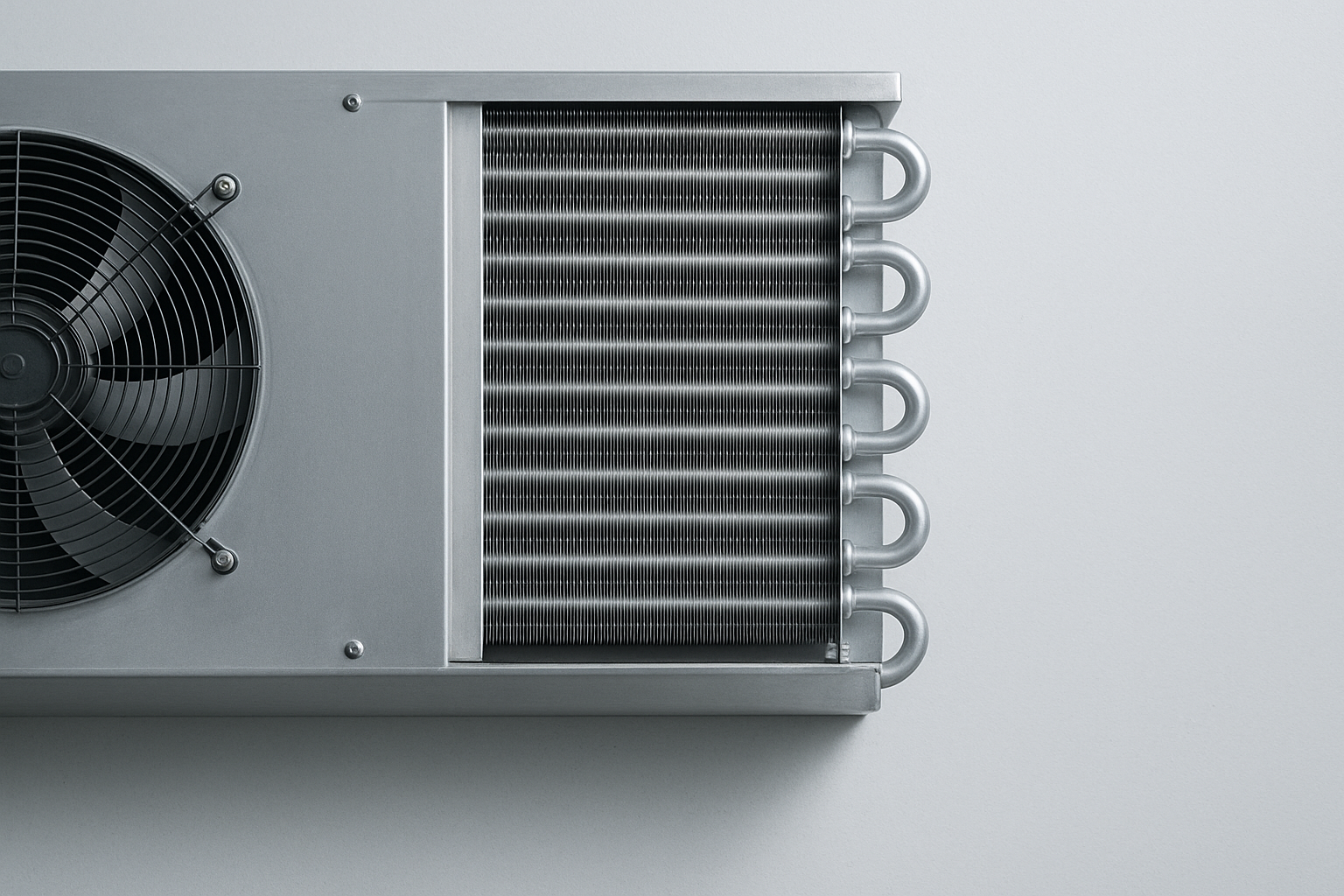
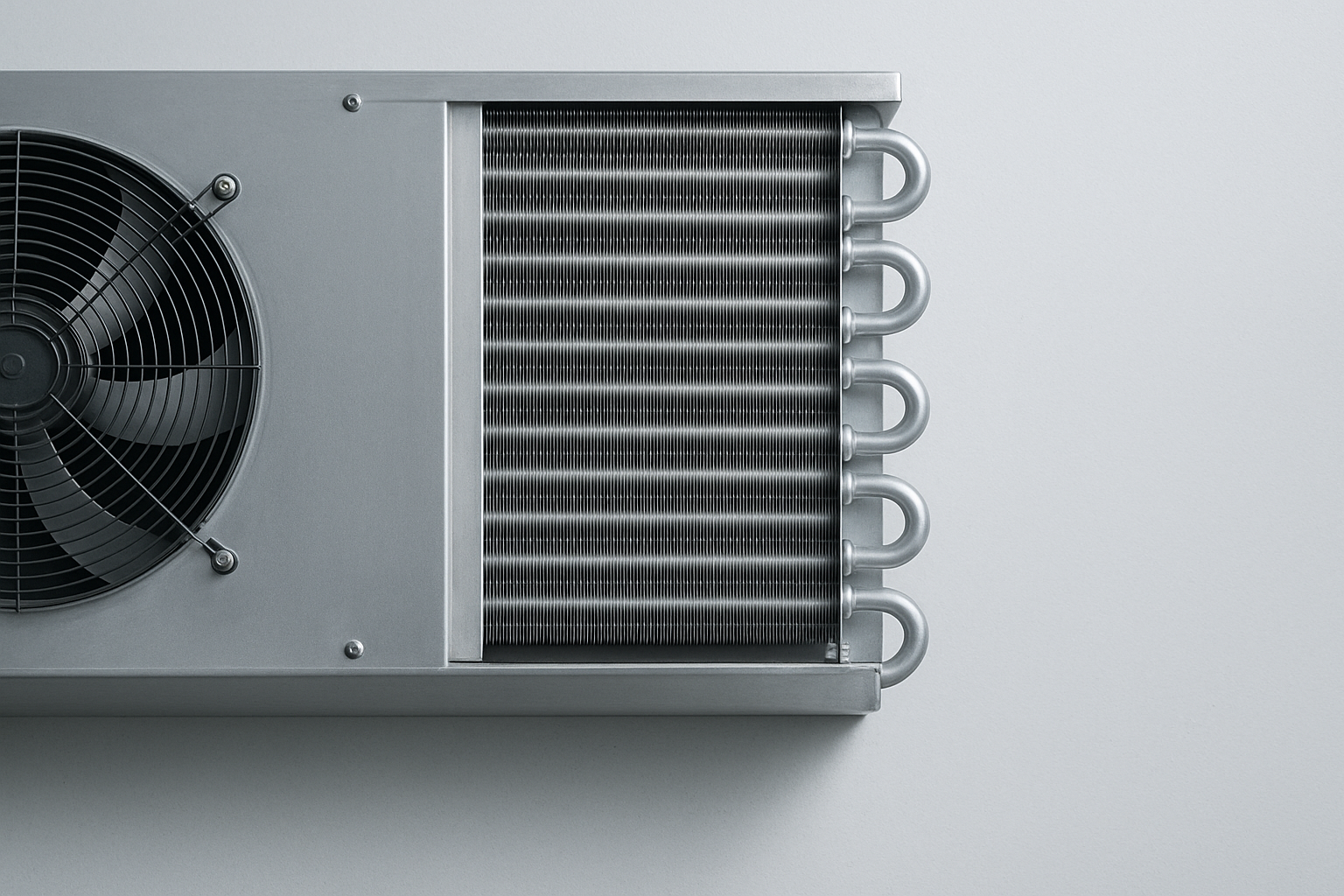
Cold storage maintenance includes routine checks and services to keep refrigeration systems running smoothly. This involves inspecting components like compressors, condensers, fans, and electrical parts to ensure optimal functionality. Regular cleaning of coils and filters is necessary to prevent dust buildup, which can hinder performance. Each component requires attention as they collectively contribute to the system's efficiency. Without proper maintenance, minor issues can escalate into major problems, leading to unexpected breakdowns and costly repairs.
Temperature monitoring systems are critical and require regular calibration to maintain accuracy. These systems ensure the cold storage environment remains within specified parameters, protecting stored goods from spoilage. Maintenance also extends to the structural integrity of storage units, where door seals and insulation must be checked for wear and tear. Addressing these elements as part of a comprehensive maintenance plan ensures continuous operation without interruptions.
Benefits of regular maintenance practices
Regular maintenance of cold storage facilities offers significant benefits, primarily by preventing unexpected breakdowns. Efficient equipment operation reduces the risk of malfunctions that can lead to costly downtime. Proactive measures help identify potential issues before they become serious problems, avoiding emergency repairs that disrupt business operations. The financial implications are noteworthy; businesses can save significantly on repair costs and lost productivity through preventative care.
The cost savings associated with regular maintenance versus reactive repairs are substantial. By allocating resources towards consistent upkeep, businesses avoid higher expenses related to urgent fixes and product loss due to spoilage. Well-maintained systems often have a longer lifespan, delaying the need for expensive replacements. This proactive approach not only saves money but also enhances reliability, fostering trust among clients who depend on timely deliveries.
Strategies for effective cold storage maintenance
To maintain a robust schedule for equipment upkeep, businesses should implement a detailed maintenance plan tailored to their specific needs. This plan should include regular inspections by qualified technicians who understand refrigeration systems' intricacies. Staff training is equally important; employees need to be aware of how to identify early signs of wear or malfunction in equipment. By empowering staff with knowledge and skills, businesses can ensure minor issues are addressed promptly.
Incorporating advanced technology such as remote monitoring systems can significantly enhance maintenance efforts. These systems provide real-time data on performance metrics, enabling quick responses to any irregularities detected. Implementing a digital logbook for tracking service history further supports strategic planning by highlighting recurring issues or areas requiring attention. This combination of technology and training ensures that all aspects of cold storage operation are continuously optimised.
Examples of maintenance reducing downtime
Many businesses have successfully minimised downtime through diligent maintenance practices tailored to their industry-specific challenges. For instance, companies in the food sector often face stricter regulations regarding temperature control compliance. By prioritising regular inspections and adhering to rigorous standards, these businesses ensure their operations remain uninterrupted despite external pressures.
Similarly, pharmaceutical companies benefit from robust maintenance schedules that guarantee their products are stored under precise conditions essential for efficacy and safety. Despite varying industry needs, one common thread is clear: maintaining equipment effectively supports continuous operation without unexpected halts or setbacks. For more information on how to implement these strategies, consider consulting with MTCSS for expert guidance.