Less Waste, More Sustainability: How to Optimise Your Inventory

Turn your stock management into a driver of sustainability and savings
Warehouse
Warehouse
4 min
Discover how smarter inventory practices can reduce waste, lower costs, and strengthen your company’s environmental impact. Learn practical strategies for UK businesses to optimise stock levels, improve efficiency, and build a greener supply chain.
Luke Hughes
Luke
Hughes

Less Waste, More Sustainability: How to Optimise Your Inventory

Turn your stock management into a driver of sustainability and savings
Warehouse
Warehouse
4 min
Discover how smarter inventory practices can reduce waste, lower costs, and strengthen your company’s environmental impact. Learn practical strategies for UK businesses to optimise stock levels, improve efficiency, and build a greener supply chain.
Luke Hughes
Luke
Hughes

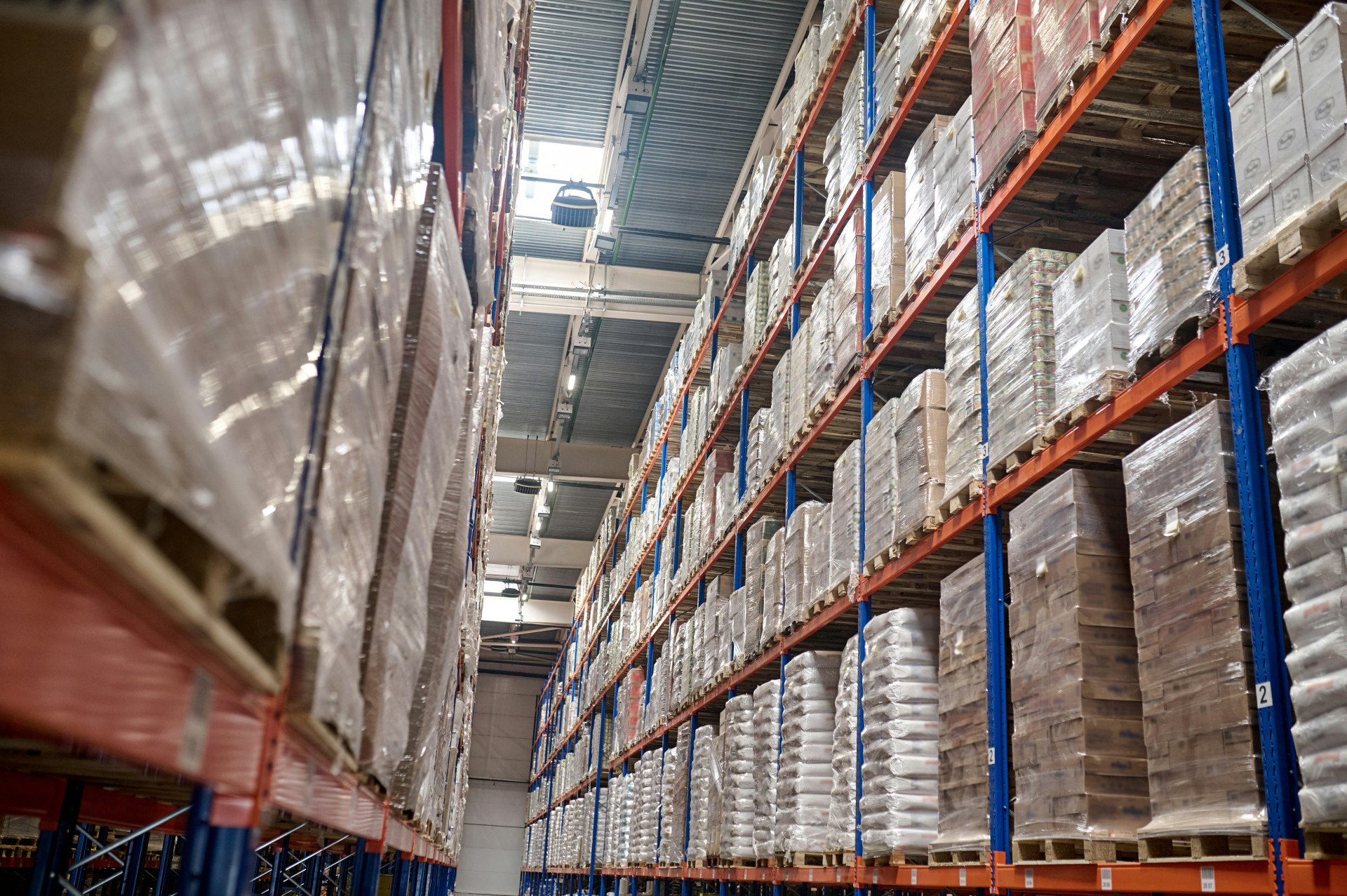
An efficient inventory isn’t just about keeping the right products in stock – it’s about reducing waste, cutting costs, and building a more sustainable operation. In a time when both the economy and the environment are under pressure, optimising your inventory is one of the most practical ways to make a real difference. Here’s how UK businesses can create a more sustainable and efficient inventory – without compromising on service or quality.

Know Your Stock – and Your Data

The first step towards sustainable inventory management is gaining visibility. Many businesses hold more stock than they need simply because they lack accurate data on demand and usage.

By using a modern warehouse management system (WMS), you can identify which products move quickly and which sit idle. This insight allows you to adjust purchasing, avoid overstocking, and reduce the risk of products becoming obsolete or wasted.

Good data also helps you forecast seasonal trends and plan purchases more precisely – a key factor in reducing both waste and tied-up capital.

Apply “Just-in-Time” – with Caution

The “just-in-time” principle focuses on having goods available when needed – and not before. It can reduce waste and storage costs, but it requires a reliable supply chain and close collaboration with suppliers.

For many small and medium-sized UK businesses, a full just-in-time model can be risky, especially given recent supply chain disruptions. Instead, consider a hybrid approach: identify which products can be replenished quickly and which require longer lead times. This allows you to gradually reduce stock levels without risking empty shelves.

Give Products a Second Life

A sustainable inventory also means thinking about reuse and recycling. Consider how you can extend the life of products that might otherwise be discarded. This could include offering discounts on items nearing their sell-by date, donating surplus goods to charities, or partnering with recycling organisations.

For packaging and materials, look into return schemes or choose suppliers that use recyclable or biodegradable options. This not only reduces waste and carbon emissions but also demonstrates your commitment to responsible business practices – something UK consumers increasingly value.

Optimise Space – and Energy Use

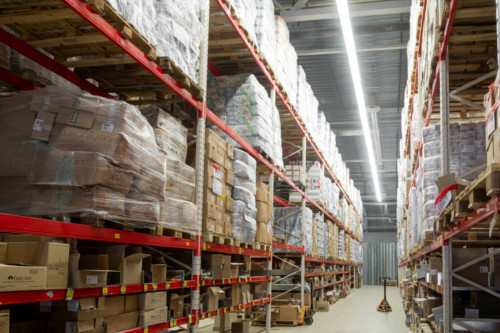
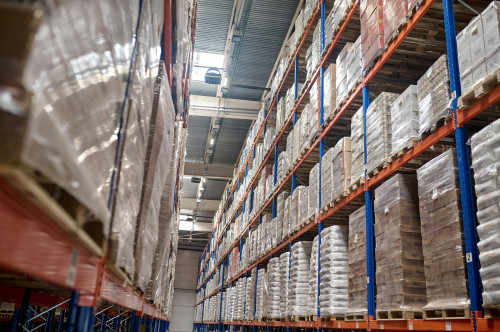
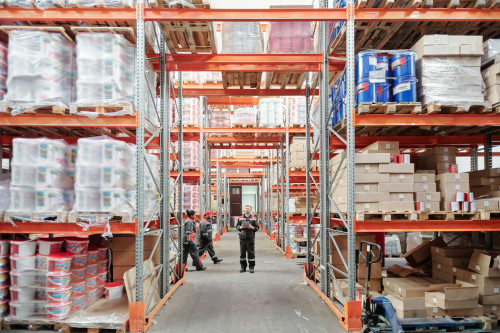
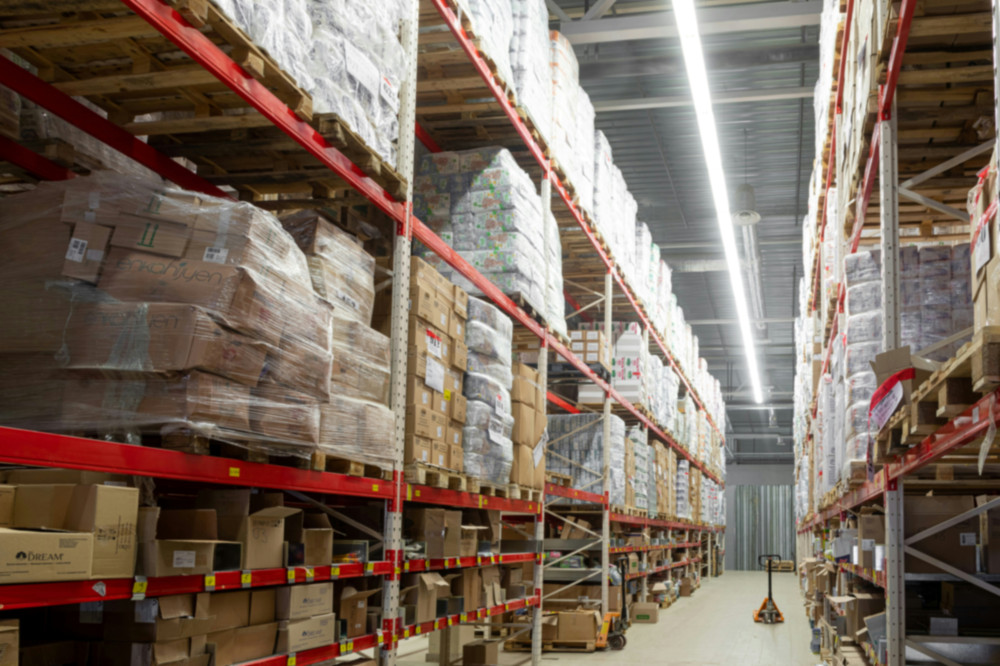
A well-organised warehouse is both more efficient and more sustainable. By making better use of space, you can avoid the need for additional storage facilities, saving both energy and resources.

Implement zone storage, where fast-moving items are placed closer to picking areas and slower-moving ones further away. This saves time, transport, and energy in daily operations.

You can also cut energy consumption by switching to LED lighting, installing motion sensors, and ensuring heating, cooling, and ventilation systems run efficiently. Small changes can lead to significant savings over time.

Engage Your Team

Sustainability and efficiency aren’t achieved by systems alone – they’re driven by people. Involve your staff in efforts to reduce waste and improve processes. Often, those working on the warehouse floor are best placed to spot opportunities for saving time, space, or resources.

Hold regular workshops or idea sessions where employees can share and test improvement suggestions. This builds ownership and engagement – and can lead to solutions that benefit both the environment and your bottom line.

Measure, Adjust, and Repeat

Inventory optimisation isn’t a one-off project but an ongoing process. Set clear goals for reducing waste, energy use, and capital tied up in stock, and review progress regularly. Use data to evaluate what’s working and where there’s room for improvement.

By continuously refining your approach, you can build an inventory that not only performs better but also contributes to a more sustainable business model.

A Greener Inventory Is a Stronger Inventory

Reducing waste doesn’t just save money – it strengthens your reputation and future-proofs your operations. A sustainable inventory reflects responsibility, efficiency, and foresight. And in a world where customers and partners increasingly expect environmental accountability, it could be the very thing that sets your business apart.

Less Waste, More Sustainability: How to Optimise Your Inventory
Turn your stock management into a driver of sustainability and savings
Warehouse
Warehouse
Inventory Management
Sustainability
Business Efficiency
Supply Chain
Waste Reduction
4 min
Discover how smarter inventory practices can reduce waste, lower costs, and strengthen your company’s environmental impact. Learn practical strategies for UK businesses to optimise stock levels, improve efficiency, and build a greener supply chain.
Luke Hughes
Luke
Hughes
Training with Insight: Develop Programmes that Strengthen Understanding of the Entire Warehouse Flow
Build stronger warehouse teams through training that connects every step of the process
Warehouse
Warehouse
Warehouse Management
Employee Training
Logistics
Operational Efficiency
Supply Chain
3 min
Discover how insight-driven training programmes can help employees understand the full warehouse flow—from goods-in to dispatch. Learn how a holistic approach to learning enhances collaboration, reduces errors, and drives long-term efficiency.
Jesse Cooper
Jesse
Cooper
Internal training as the key to better inventory management
Strengthen your warehouse performance through employee knowledge and engagement
Warehouse
Warehouse
Inventory Management
Employee Training
Warehouse Efficiency
Continuous Improvement
Business Development
4 min
Discover how internal training can transform your inventory management. Learn why investing in employee development leads to fewer errors, smoother processes, and a more motivated workforce – turning your warehouse into a more efficient and resilient operation.
Ava Powell
Ava
Powell
Steady Capacity Utilisation: Plan Incoming and Outgoing Shipments Efficiently and Thoughtfully
Keep your warehouse running smoothly with balanced planning and smarter logistics
Warehouse
Warehouse
Warehouse Management
Logistics
Supply Chain
Efficiency
Planning
2 min
Discover how to avoid warehouse bottlenecks and stress by planning inbound and outbound shipments more efficiently. Learn strategies for steady capacity utilisation that create a calmer, more predictable workflow and improve overall productivity.
Caden Edwards
Caden
Edwards
Due diligence vs. research: What’s the difference – and why does it matter?
Understand the crucial distinction between due diligence and research before making your next big business move
Companies
Companies
Due Diligence
Business Research
Investment
Risk Management
Decision Making
5 min
Many professionals use “due diligence” and “research” as if they mean the same thing—but they don’t. This article explains how these two processes differ in purpose, depth, and application, and why knowing the difference can make or break your business decisions.
Milo Bell
Milo
Bell
Staying Competitive in Uncertain Times: Strategies to Strengthen Your Business
Build resilience and agility to help your business thrive in a changing world
Companies
Companies
Business Strategy
Resilience
Digital Transformation
Leadership
Sustainability
2 min
In an era of constant disruption, staying competitive requires more than just great products or pricing. Discover practical strategies to strengthen your business, adapt to uncertainty, and turn challenges into opportunities for growth.
Luke Hughes
Luke
Hughes
Networks as a Lever: How to Strengthen Your Leadership Development Through Relationships
Unlock the power of relationships to accelerate your growth as a leader
Companies
Companies
Leadership
Networking
Professional Development
Relationships
Personal Growth
5 min
Discover how meaningful connections can become one of your greatest assets in leadership development. Learn to build purposeful networks, nurture authentic relationships, and use your network as a source of reflection, learning, and inspiration.
Jesse Cooper
Jesse
Cooper